
Thailand — Investor Guide 2026
Buying property in Thailand — the honest guide
Condos versus villas, the foreign-ownership rules that confuse most first-time buyers, Phuket and Bangkok and Koh Samui side by side, and the developers worth trusting.
A note from Chris
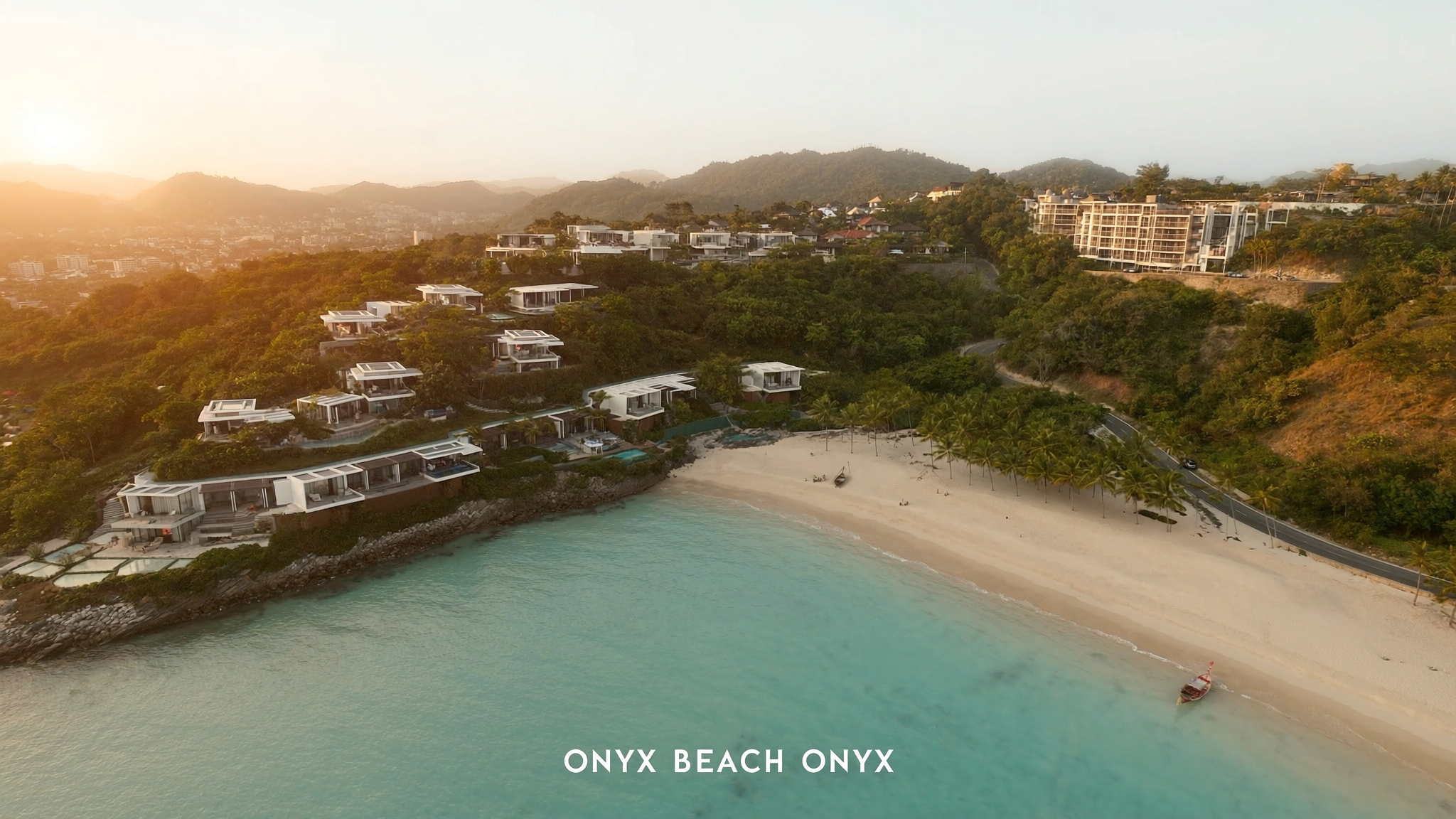
Thailand has been part of the HPA universe for nearly a decade. Phuket in particular has produced more consistent, predictable returns for HPA buyers than almost any other market we cover — largely because of the branded-residence model and the developer-backed rental guarantees that come with it.
The thing that catches most first-time Thailand buyers off guard is the foreign-ownership rules. You can own a condo freehold. You cannot own land. That single distinction determines whether you should be looking at Phuket condos, Bangkok condos, or Koh Samui villas — and each one solves a different problem.
This page walks through what each Thailand sub-region actually produces, the ownership structures, the tax and visa landscape, and the few developers we'd trust with our own money in this market.
Section 1
The Thailand market snapshot — 2026
Thailand's property market in 2026 is two stories running in parallel. The Phuket and beach-resort story is tourism-driven, cashflow-focused, and built around developer-backed rental guarantees. The Bangkok story is urban, expat-tenant-driven, and built around steady capital growth in a major Asian financial centre.
Tourism arrivals are running above 2019 peaks. Thailand received over 35 million international visitors in 2024 and is projected to exceed 39 million in 2026, with the Chinese market — the biggest driver for Phuket short-let demand — fully recovered. Nightly rates and occupancy in branded Phuket developments are at historic highs.
Two macro factors matter for foreign buyers right now. First, the Thai Baht is meaningfully weaker than its 5-year average against USD and GBP, which means international buyers are getting better entry prices than at almost any time in the past decade. Second, the developer landscape in Phuket has consolidated to a smaller number of well-capitalised operators, which is good news for buyers — the marginal project quality has improved.
Section 2
Six Thailand sub-regions, ranked by current opportunity
Thailand isn't one market. Phuket and Bangkok behave like two different countries. Add Koh Samui and Hua Hin and you've got four genuinely distinct investment products under one passport stamp.

Phuket — Patong & Kata branded residences
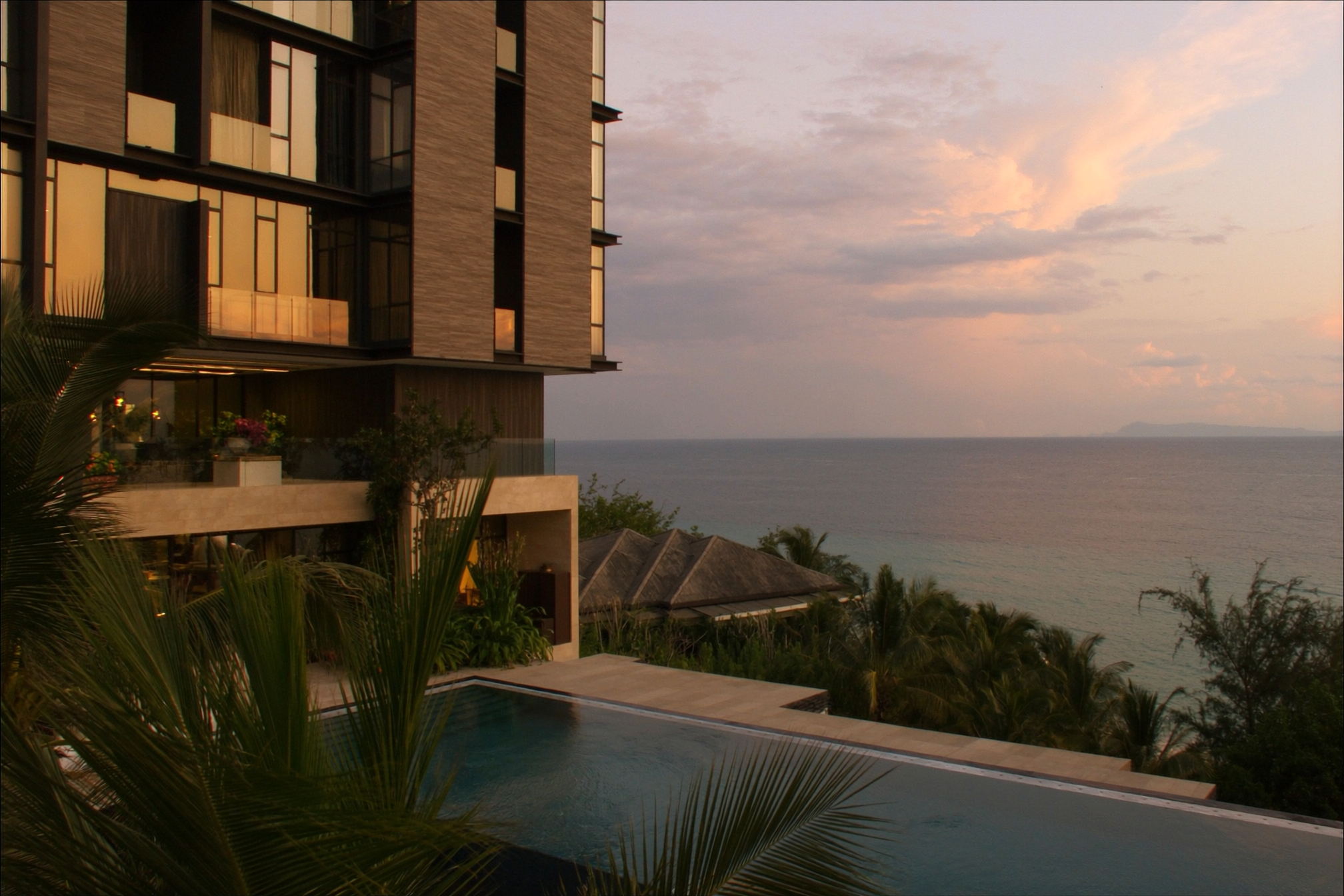
The most established short-let market in Thailand. Branded condominium developments here come with developer-backed rental guarantees of 6–8 percent for the first 3–7 years, full management included, freehold ownership available to foreign buyers. Best for hands-off cashflow investors who want predictable returns without operational headaches.
Phuket — Surin, Bangtao, Layan luxury
The premium end of Phuket — branded resort residences from Anantara, Banyan Tree, Trisara, Andara, and similar tier-one operators. Lower yield than Patong but stronger capital growth, higher-spending tenant base, and the rental guarantees here tend to be more conservative which actually means more reliable.

Bangkok — Sukhumvit & Silom
The urban play. Bangkok condos in the central CBD and Sukhumvit BTS corridor are the most-rented foreign-owned properties in Asia. Expat tenant base — Japanese, Korean, Western, increasingly Chinese mainland buyers. Yields are lower than the beach markets but capital growth has been steady and the tenant churn is low.
Bangkok — Chao Phraya riverside
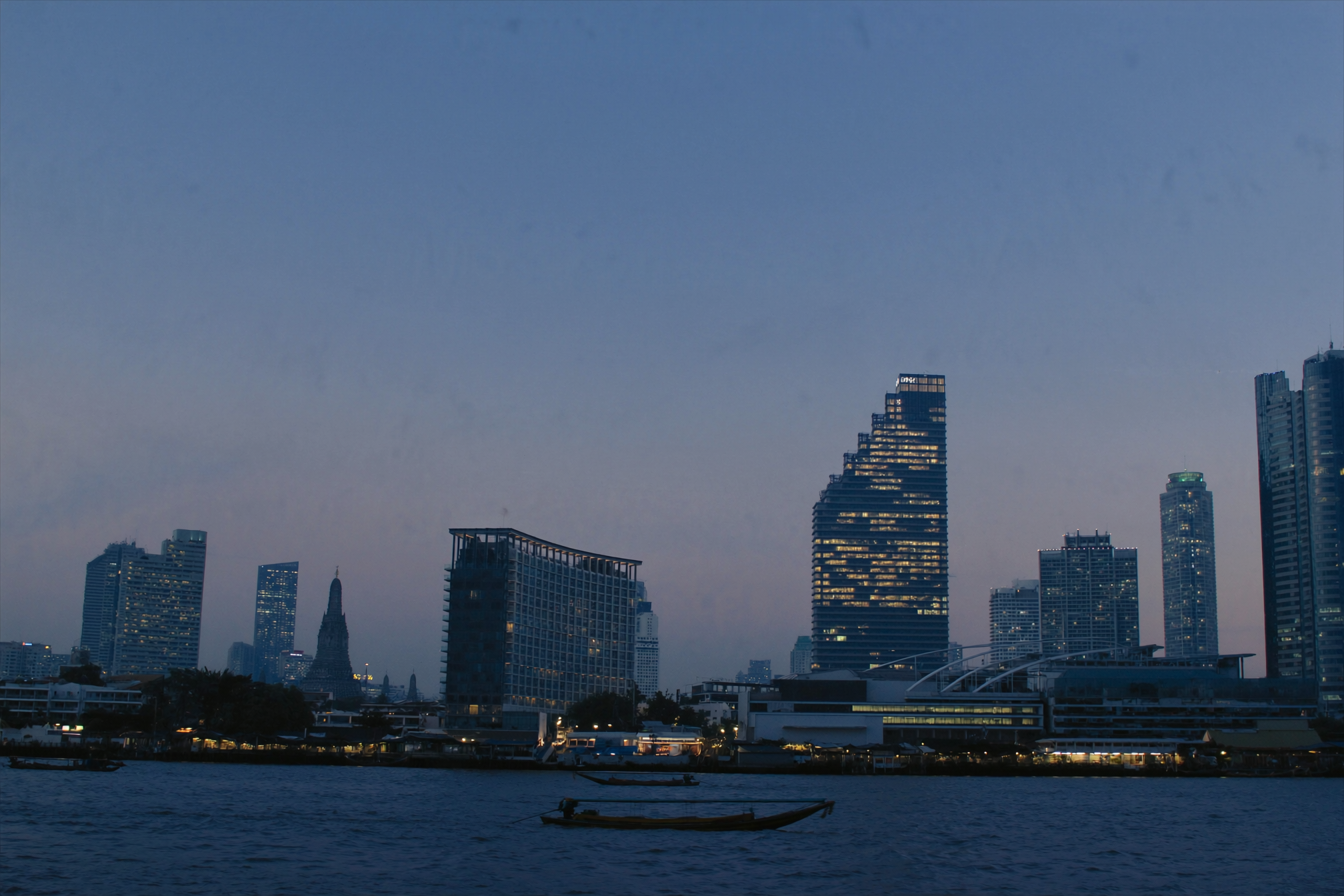
The capital-growth play within Bangkok. Riverside condos with views over the Chao Phraya have outperformed central CBD on capital appreciation over the past five years. Slower rental market — better suited to buyers prioritising long-term value over monthly cashflow.

Koh Samui — villa cashflow
The Bali alternative within Thailand. Villa rentals on Koh Samui produce some of the strongest gross yields in the country, but you're holding land via leasehold or Thai company structure rather than condo freehold. More operational complexity but materially higher returns for buyers willing to engage.

Hua Hin — quieter, family, reliable
The retirement and family corridor. Three hours south of Bangkok, royal connections keep it tasteful, and the buyer base skews older European and Australian. Yields are modest but tenant retention is excellent — long-stay renters dominate, often booking 3–6 months at a time. Lower risk, lower headline returns.
Section 3
The Thailand ownership mistake — what most first-time buyers get wrong
Thai law is clear and simple: foreigners can own condominiums freehold, up to 49 percent of any building. Foreigners cannot own land. Period. No nominee structures, no workarounds that actually hold up.
What this means in practice: if you want a villa, you don't actually own the land underneath it. You own the structure, and you lease the land — typically 30 years, with one contractually-promised 30-year renewal, sometimes a second renewal beyond that. This is a well-understood structure and tens of thousands of foreign owners use it without issue. But it's different from condo freehold.
The mistake first-time buyers make is choosing the wrong product for their goal. Want simple, hands-off, freehold? Condo. Want maximum cashflow with operational involvement and willing to manage a leasehold structure? Villa. Most of the bad outcomes in Thailand happen when a buyer wants the simplicity of condo ownership but ends up in a leasehold villa they don't fully understand.
The other route, less common but worth knowing: Thai company structures. A Thai limited company (where you hold the permitted foreign shareholding and the remaining shares sit with Thai partners under proper agreements) can own land. This requires a competent Thai corporate lawyer and ongoing compliance. Done properly it's safe. Done badly — with nominee Thai shareholders who don't legitimately exist — it's a structure that authorities have been actively unwinding for the past decade.
Section 4
Tax, visas, and the residency picture
Thai property taxes are modest. Transfer fee 2 percent on purchase. Annual land and building tax 0.02–0.1 percent of assessed value. On rental income, withholding is 5–15 percent for non-residents, with deductions available through proper structuring. The total ongoing tax burden in Thailand is lower than in most Western jurisdictions.
Visas are where Thailand has materially improved. The Thailand Elite Visa programme offers 5, 10, 15 or 20-year residency at investment tiers starting at $25K, going up to $200K — fully bundled with airport fast-track, tax-resident advantages, and no minimum stay requirement. The new Long-Term Resident (LTR) Visa launched in 2022 offers 10-year residency for qualifying buyers, retirees and remote workers.
Owning Thai property doesn't automatically grant any of these visas. But buying property is often the catalyst that gets buyers to apply, and the Elite Visa in particular is inexpensive insurance for anyone planning to spend extended time in Thailand. Inside HPA we connect members directly to the Elite Visa agents we use ourselves.
Section 5
Currency in Thailand — the Baht weakness window
Most Thai property pricing for foreign buyers is in Thai Baht, with a parallel USD price often quoted on branded developments. The Baht has been weak against the dollar and sterling for most of the past three years — currently around 15 to 20 percent softer than its 2018–2019 peaks. For international buyers, this represents a genuine entry-price advantage.
When you transfer the purchase capital, do not use a high-street bank. The spread on Baht transfers is brutal — often 3 to 4 percent. A specialist currency broker charges 0.5 to 1 percent and can lock the rate forward for the 12–24 month off-plan completion timeline. On a $400K property that's the difference between paying $8K and $16K in currency conversion costs.
There's a Thai-specific consideration too: under FET (Foreign Exchange Transaction) rules, foreign-buyer capital must come in via a registered international transfer to qualify the buyer for freehold condo title. The currency broker handles this paperwork — but you have to ask. Bring the capital wrong and you can't register the freehold.
Section 6
Thai developers — three categories worth understanding
The Thai developer landscape sorts into three categories.
Tier one — listed Thai majors and international brands. Listed Thai property companies (Sansiri, Land & Houses, AP Thailand, Pruksa) and the branded international operators (Anantara, Banyan Tree, Trisara, Andara, Marriott, Outrigger) building branded residences in Phuket and Koh Samui. These are publicly accountable balance sheets and the rental guarantees they offer have historically been honoured even through downturns. Lower yields than tier two, much lower risk.
Tier two — competent regional operators. Established Phuket and Bangkok developers with 10+ years of completed projects, clean track records, but smaller balance sheets than the listed majors. Members occasionally see tier-two opportunities when the project economics are particularly strong and the developer's history checks out under independent diligence.
Tier three — opportunistic operators. Smaller developers, often newer, often marketing aggressively to overseas buyers through agent networks. Some are completely legitimate. Many have collapsed projects in their history that don't show up in marketing materials. This is where the catastrophic Thailand stories almost always come from — particularly on Koh Samui and on the smaller Phuket developments that promise unrealistic yields.
Inside HPA we restrict the Thailand pipeline to tier-one developers and the small number of tier-two firms where we've personally walked completed projects, met the principals, and reviewed financial accounts. That's the actual filter behind every Thailand deal in the membership.
Why this guide exists
Who is writing this, and why does it matter

Chris White built Ideal Homes Portugal from a single Algarve office in 2012 into a forty-person property business with a sister company selling property across more than twenty countries. Thailand has been part of that international footprint for nearly a decade.
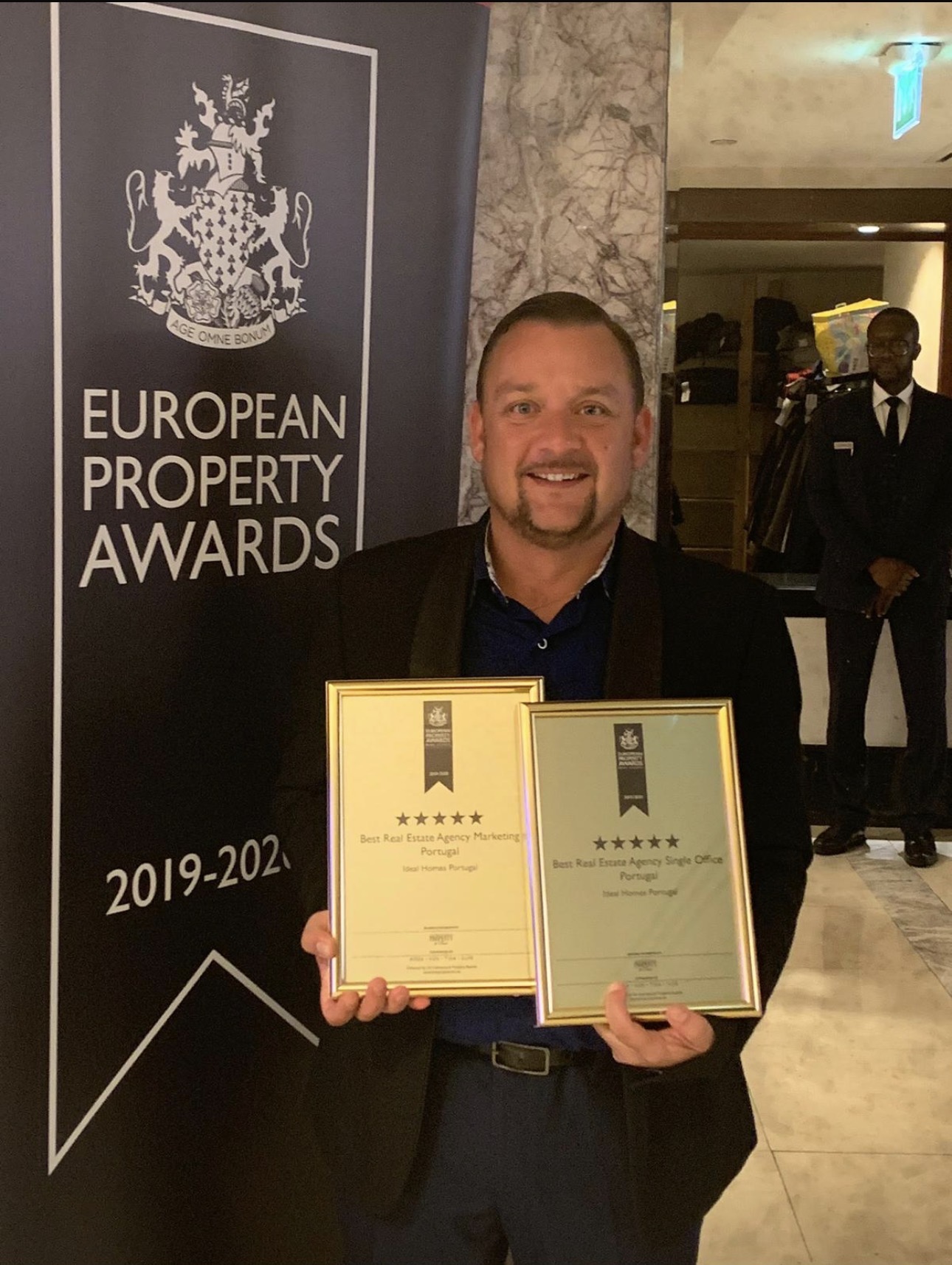
Multiple European Property Awards. The Apple Tree Lane development with Duncan Bannatyne of Dragons' Den. TV appearances on Channel 4's “Sun, Sea and Selling Houses.” Speaking on stage with Tony Robbins, Arnold Schwarzenegger, and Samuel Leeds. The credibility isn't accidental.
The standard the business operates to
Property awards are easy to dismiss. The European Property Awards aren't — they're judged by a seventy-person independent panel that verifies operations, audits client outcomes, and looks at financials. Winning them repeatedly is how you signal the business behind the marketing is actually real.
That same standard is what HPA brings to Thailand. The branded developers, the listed majors, the few regional operators we work with — all run through the same internal diligence framework Ideal Homes uses for its own partnerships.

The rooms he's in
Chris has shared stages with Tony Robbins, worked alongside Duncan Bannatyne for over a decade, and met with everyone from Arnold Schwarzenegger to Samuel Leeds across the international property and business circuit.
The point isn't the names. The point is the access. Tier-one Thai developers don't take cold approaches from foreign buyers. They take introductions. The HPA membership is your introduction.

Beyond the numbers
Three Africa missions including Operation Smile alongside Duncan Bannatyne. A 2023 Uganda mission with Samuel Leeds. Ongoing work with healthcare and education charities across the countries Chris's businesses sell into.
Not directly relevant to a Thailand property decision. But it tells you what kind of business operator he's built. The people you let into your financial life should be the people who care about what happens to other people's money.
Why Hot Property Alerts exists
A decade of Thai deal flow, bottled into a membership
After nearly a decade running deals in Thailand, Chris kept seeing the same pattern. International buyers — Brits, Australians, Singaporeans, Americans — would arrive in Phuket or Bangkok with capital ready, having done their Google research, and proceed to make one of two mistakes.
Either they'd sign for a villa thinking they were buying freehold land — only to discover they'd entered a leasehold or nominee structure they didn't fully understand. Or they'd buy a condo from a tier-three developer offering a 10 percent rental guarantee, only for that guarantee to evaporate two years in when the developer's balance sheet ran out.
Hot Property Alerts is the thing Chris wished those buyers had access to before they made their decisions. The tier-one Thai developers and branded operators. The Thai-experienced lawyers we use on every transaction. The currency partners. The Elite Visa agents. The monthly workshops where you can ask Thailand-specific questions directly. The SMS line where you can text the team and get a real human answer the same day.
What used to require a decade of trial and error to navigate in Thailand is now available to anyone serious enough to join the membership. £99 a month gets you the intel layer — country reports, weekly workshops, deal previews, SMS access, the partner directory. That's the version most members start with.
If Thailand is genuinely your next move, Insider is the cheapest piece of professional intel on this market. It's also the only one written by someone who's been buying and selling property here for a decade rather than writing about it from London.
The next step
What HPA Insider gives you for Thailand
Membership is £99 a month. Cancel any time. No questions asked.
- ✓Monthly Thailand market report — Phuket, Bangkok, Koh Samui and Hua Hin side by side, with current yields and what we are watching
- ✓Weekly live workshop with Chris — deal walkthroughs, open Q&A, current Thailand market read
- ✓Pre-vetted deal pipeline — only from tier-one Thai developers and branded operators we work with directly
- ✓Trusted partner directory — Thai-experienced lawyers, tax advisors, Elite Visa agents and currency partners we use ourselves
- ✓Direct SMS line to the HPA team — text us your Thailand question, real human answer the same day
- ✓First look at every new briefing, index and country report before they go public
Cancel any time. No questions asked.
Common questions
Thailand property FAQ
Can foreigners actually own property in Thailand?
Yes — condominiums, freehold. Foreigners can own up to 49 percent of any condominium building outright, with full ownership rights, no nominee structures needed. What foreigners cannot own is land. That means villa purchases require leasehold (30 years renewable) or Thai company structures. Most foreign buyers focus on condos for this reason.
What's the difference between condo and villa ownership?
Condos: foreigners own freehold, full ownership rights, sale and inheritance straightforward, the most common foreign-buyer product. Villas: foreigners own the building but lease the land underneath, typically 30 years renewable. Both structures work, but condos are simpler and more liquid on resale. Villas can produce higher yields but require more ongoing structure management.
How do branded residence rental guarantees actually work?
On Phuket branded developments, the developer typically guarantees a fixed annual yield (usually 6–8 percent) for the first 3–7 years post-completion, paid quarterly. The developer takes the rental income and bears the occupancy risk. After the guarantee period, you go to actual rental income, which can be higher or lower depending on the project. Important: the strength of the guarantee depends entirely on the developer's balance sheet. We only place members with the four to five operators who've honoured guarantees through previous market cycles.
Can I get a mortgage as a foreign buyer in Thailand?
Thai banks generally do not lend to foreign buyers — there are exceptions for buyers with verifiable Thai income or specific bank relationships, but it's the exception, not the rule. The realistic financing routes are: developer-financed instalment plans (common on off-plan Phuket and Bangkok), home-country equity release, or all-cash purchase. Most foreign-buyer transactions are cash or developer-financed.
What's the visa situation?
Thailand has multiple long-stay routes for foreign property owners. The Thailand Elite Visa offers 5–20 year residency at investment tiers from $25K to $200K. The Long-Term Resident (LTR) Visa launched in 2022 offers 10-year residency for qualifying buyers and remote workers. Standard tourist visas allow 60-day stays extendable to 90. Owning property doesn't automatically grant residency but property buyers usually qualify for one of these visa routes if they want extended time in Thailand.
What's the realistic short-term rental income?
Depends heavily on segment. A 1-bedroom Patong branded condo with developer rental guarantee runs $8K–$14K USD per year guaranteed. A 2-bedroom Bangkok Sukhumvit condo runs $14K–$24K via long-term tenant. A 3-bedroom Koh Samui villa runs $30K–$60K via short-term rentals. Yields are highly tied to which sub-region and which product type you've bought.
What taxes will I pay?
On purchase: transfer fee 2 percent, specific business tax 3.3 percent if reselling within 5 years (developer typically absorbs this on new builds). On rental income: 5–15 percent withholding for non-residents, 30 percent for residents (with deductions). On resale: 1 percent withholding on capital gain. Total tax burden is materially lower than UK or US equivalents but higher than zero-tax jurisdictions like Dubai.
Phuket vs Bangkok — which is better?
Different products solving different problems. Phuket is yield + tourism-driven cashflow, often with developer rental guarantees doing the heavy lifting. Bangkok is steady long-term rental income with strong capital growth from a globally-connected city. Most HPA members who buy multiple Thai properties end up with one of each — Phuket for cashflow, Bangkok for capital appreciation and diversification.
Haven't taken our quiz yet?
Find your best-fit market in sixty seconds
Thailand might be the right answer. It might not. Our quiz takes your capital, timeline and goals, and matches you to the country most likely to deliver — then sends a personalised briefing to your inbox.
Take The 60-Second Quiz