
Spain — Investor Guide 2026
Buying property in Spain — the honest guide
The Golden Visa, the real closing costs nobody talks about, Costa del Sol versus Costa Blanca, Mallorca versus Madrid, and the developers worth trusting.
A note from Chris
Spain has been part of the HPA universe almost as long as Portugal. Ideal Homes International has been transacting on the Costa del Sol for over a decade and the Spanish market remains, for most international buyers, the most accessible and best-understood overseas property market in Europe.
The thing that catches most first-time Spanish buyers off guard isn't the legal structure (which is simple) or the language (most agents and lawyers operate in English). It's the closing costs. Foreign buyers consistently underestimate the all-in number by 12–15 percent.
This page walks through what Spain genuinely produces today — the Golden Visa, the regions worth buying in, the developers we trust, the tax structures that matter — and the small handful of mistakes that make buying in Spain expensive when it should be straightforward.
Section 1
The Spain market snapshot — 2026
Spanish property in 2026 sits in a constructive window. Residential prices have grown 4–6 percent year-on-year across the major foreign-buyer regions, lower than the 2022 peak but well above inflation. Mortgage rates have softened from the 2023 highs, which has restored deal flow without overheating prices.
The Costa del Sol has been the standout performer — Andalusia abolished its regional wealth tax in 2022, which materially improved net returns for higher-value foreign buyers and triggered renewed institutional interest. Marbella, Estepona, and Sotogrande have all seen sustained price growth alongside healthy transaction volumes.
Three macro factors matter for foreign buyers right now. First, the Golden Visa programme remains active (and Spain is the largest EU country still offering it through property purchase). Second, sterling-to-euro is meaningfully stronger than 2023 levels, restoring purchasing power for UK buyers. Third, the supply pipeline of new builds on the Costa del Sol has thinned out post-2024, which is supporting prices on the existing stock.
Section 2
Six Spanish sub-regions, ranked by current opportunity
Spain isn't one market — these six sub-regions behave like six different countries. Order matters.
Costa del Sol — Marbella, Estepona, Mijas
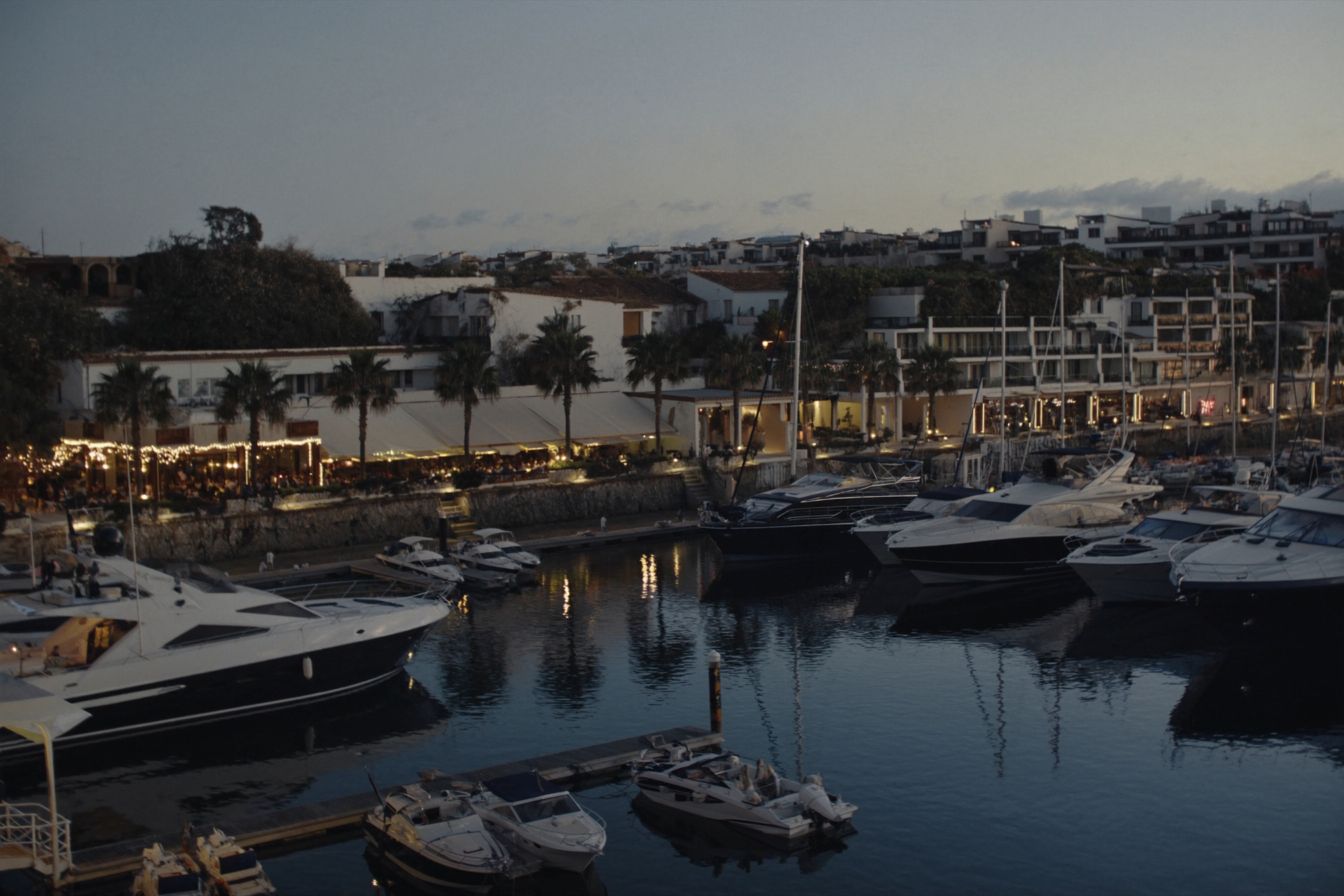
The most established foreign-buyer market in Spain. Year-round climate, full lifestyle infrastructure, the deepest property liquidity on the Mediterranean. Marbella anchors the luxury end, Estepona is the still-rising next-wave, Mijas Pueblo offers the pueblo blanco lifestyle at half the entry price. Yields are tighter than Bali or Thailand but capital growth has been steady and the resale market is the most predictable in Europe.
Costa Blanca — Javea, Moraira, Altea
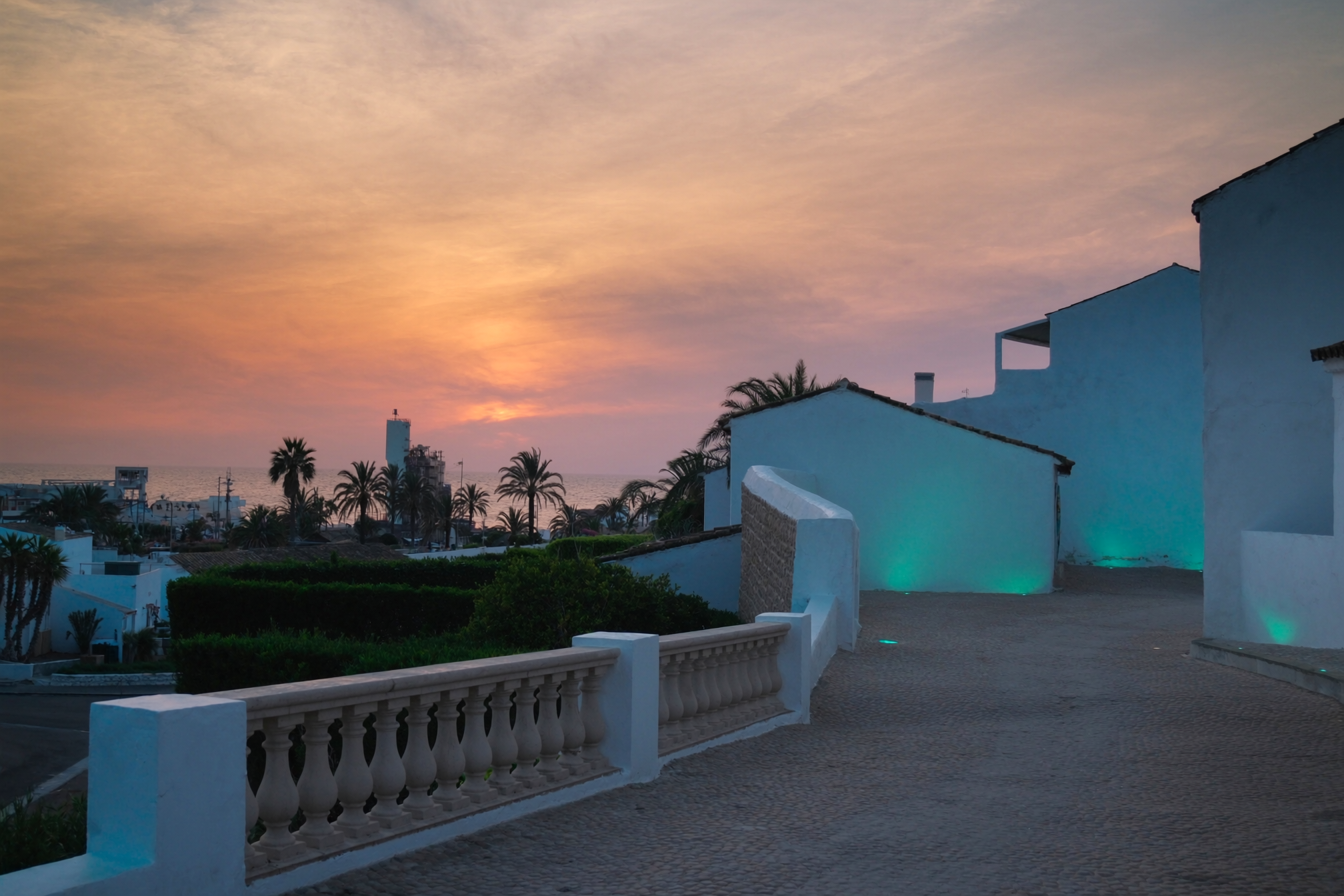
Cheaper than the Costa del Sol, less foreign-buyer competition, growing demand from Northern European retirees and remote workers. Javea and Moraira are particularly under-priced relative to the rental demand. Best for buyers who want Costa-del-Sol lifestyle without Marbella prices.

Mallorca — Palma, Pollensa, Deia
The premium Mediterranean island play. Restricted licence regime means short-term rental supply can't grow indefinitely, which keeps the established rentals well-yielded. Palma is the urban play, Pollensa the high-end family market, Deia the artist enclave with the strongest capital growth. Higher entry, higher quality of buyer, lower turnover.

Madrid — Salamanca, Chamberí, Chamartín
The capital play. Spain's economy is structurally undersupplied for premium rental stock in central Madrid. Yields are moderate but capital growth has been strong, the tenant base is professional and stable, and Madrid is increasingly the European HQ for tech and finance firms relocating from London and Paris.

Barcelona — Eixample, Gràcia, Born
The cultural capital. Tighter STR regulation than Madrid (the city has been particularly strict on tourist licences), so the play here is long-term residential rather than short-let. Strong international demand, tech and creative economy growth, but a more politically active local government than Madrid — worth understanding before committing.
Pueblos blancos — Mijas, Ronda, Vejer
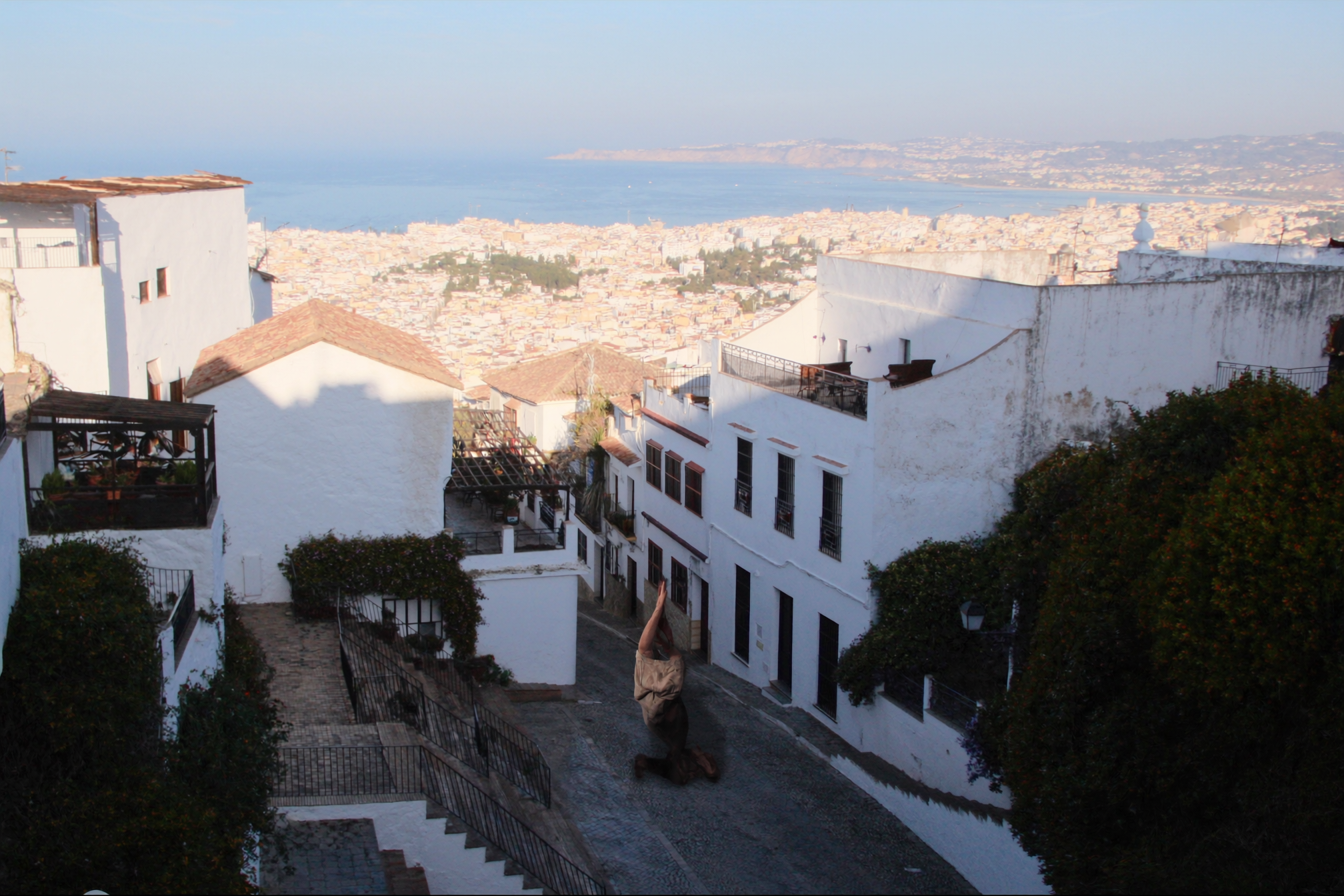
The lifestyle play. Authentic white villages an hour inland from the coast, dramatically cheaper than the beach markets, increasingly popular with remote workers and second-home buyers. Yields can be excellent for the right village stone-house renovation, but the resale market is thinner — best for buyers with a 10-year horizon rather than quick flips.
Section 3
The closing-cost mistake — what makes Spain expensive
The biggest mistake foreign buyers make in Spain is thinking the headline price is the total cost. It isn't. By the time the property is yours, you'll have paid another 12 to 15 percent on top of the headline.
On a new build (off-plan or recently completed): IVA at 10 percent, plus stamp duty (Actos Jurídicos Documentados) at 1.2–2.5 percent, plus notary at 0.5 percent, plus registration at 0.4 percent, plus lawyer fees at 1–2 percent. Total: 13–15 percent on top.
On a resale: ITP (Property Transfer Tax) at 6–10 percent depending on region, plus all the other costs. Total: 8–12 percent on top.
On a €400K property, that's €48K–€60K of additional cost. Foreign buyers consistently arrive with the purchase price ready and discover they need another year of saving to cover the closing. We've seen good deals lost at the final hurdle because of this single budgeting error.
The other side of the same coin: this is also why Spain's off-plan discounts (often 10–15 percent below projected market value at completion) make economic sense. The discount typically covers the closing costs. Buying off-plan well in Spain isn't a price arbitrage — it's a way to absorb the transaction costs into the deal economics.
Section 4
The Spain Golden Visa — still very much open
While Portugal closed its Golden Visa property route in October 2023, Spain's remains firmly open. A property investment of €500K or more (with no upper limit) qualifies the buyer and immediate family for Spanish residency. There's no minimum stay requirement — you can live anywhere in the world and still hold the visa.
After five years of holding the visa you can apply for permanent residency. After ten you can apply for Spanish citizenship — which gives you EU citizenship and the full passport-free travel rights that come with it. For buyers from the UK, US, Australia or anywhere outside the EU, this is one of the cleanest legal routes to European long-term residency.
The political wind has shifted on Golden Visa programmes generally across the EU. Spain has had periodic discussions about restricting or closing its programme, similar to what happened in Portugal. None of those discussions have resulted in changes yet — but the window may not stay open indefinitely. For buyers where residency matters as much as the property, that's relevant timing.
Section 5
The currency window — sterling is strong right now
Sterling is currently 8–12 percent stronger against the euro than its two-year trailing average. On a €400K property, that's £32K–£48K of additional purchasing power versus 2023 levels. It's a real edge and most buyers don't think about timing currency on a property purchase the way they would on a major investment.
Do not use a high-street bank for the currency transfer. A specialist currency broker charges 0.5–1 percent versus a bank's 2.5–4 percent. On a €400K transfer that's €6K–€14K of difference — meaningful money. Both of our preferred currency partners can lock the rate forward for 6–18 months if you want to hedge the timing of completion on an off-plan purchase.
Section 6
Spanish developers — three categories worth understanding
The Spanish developer landscape sorts into three categories.
Tier one — institutional and long-track-record operators. Listed Spanish property companies (Metrovacesa, Aedas Homes, Neinor) and the long-established family-owned Costa del Sol developers who've been building since before the 2008 crisis. Conservative financing, completed pipeline visible, clean track records. Their pricing is firm but the structural risk is minimal.
Tier two — established regional operators. Smaller Costa del Sol, Costa Blanca and Balearic developers with 10+ years of completed projects, often family-run, generally responsive on customisation. Members occasionally see tier-two opportunities when the architecture, location and developer reputation all line up.
Tier three — recent entrants and syndicators. Newer developers who've emerged in the post-2020 boom. Many are perfectly competent. Some are pure capital-raisers with no construction expertise. Without independent diligence on the actual construction track record, this tier is where buyers see late delivery, cost overruns, or unfinished projects.
Inside HPA we restrict the Spain pipeline to tier-one developers and the small handful of tier-two firms we've personally walked completed projects with. That's the actual product the membership pays for.
Why this guide exists
Who is writing this, and why does it matter

Chris White built Ideal Homes Portugal from a single Algarve office in 2012 into a forty-person property business with a sister company selling property across more than twenty countries. Spain has been a core market for that international footprint since the beginning.
Multiple European Property Awards. The Apple Tree Lane development with Duncan Bannatyne of Dragons' Den. TV appearances on Channel 4's “Sun, Sea and Selling Houses.” Speaking on stage with Tony Robbins, Arnold Schwarzenegger, and Samuel Leeds.

The standard the business operates to
The European Property Awards are judged by a seventy-person independent panel that verifies operations and audits client outcomes. Winning them repeatedly is how you signal the business behind the marketing is actually real.
That same standard is what HPA brings to Spain. The institutional developers, the established regional firms — all run through the diligence framework Ideal Homes uses for its own partnerships.

The rooms he's in
Chris has shared stages with Tony Robbins, worked alongside Duncan Bannatyne for over a decade, and met with everyone from Arnold Schwarzenegger to Samuel Leeds across the international property and business circuit.
The point isn't the names — it's the access. Spanish institutional developers don't take cold approaches from foreign buyers. They take introductions. The HPA membership is your introduction.

Beyond the numbers
Three Africa missions including Operation Smile alongside Duncan Bannatyne. A 2023 Uganda mission with Samuel Leeds. Ongoing work with healthcare and education charities across the countries Chris's businesses sell into.
Not directly relevant to a Spanish property decision. But it tells you what kind of business operator he's built — and the people you let into your financial life should be the people who care about what happens to other people's money.
Why Hot Property Alerts exists
A decade of Spanish deal flow, bottled into a membership
After more than a decade transacting in Spain, the same pattern kept repeating. International buyers — Brits, Irish, Germans, Scandinavians, increasingly Americans — would arrive on the Costa del Sol with capital ready, would have done their Google research, and would proceed to make one of three predictable mistakes.
Either they'd underbudget the closing costs and lose the deal at the final hurdle. Or they'd sign with a tier-three developer offering a discount that wasn't actually meaningful relative to the delivery risk. Or they'd miss the Golden Visa structure entirely and have to redo paperwork two years in.
Hot Property Alerts is the thing Chris wished those buyers had access to before they made their decisions. The tier-one and tier-two Spanish developers we work with directly. The Spanish-experienced lawyers and tax advisors. The currency partners. The Golden Visa specialists. The weekly workshops where you can ask Spain-specific questions directly. The SMS line where you can text the team and get a real human answer the same day.
£99 a month gets you the intel layer — country reports, weekly workshops, deal previews, SMS access, the partner directory. That's the version most members start with.
If Spain is genuinely your next move, Insider is the cheapest piece of professional intel on this market. It's also the only one written by someone who's been transacting in Spain for a decade rather than writing about it from London.
The next step
What HPA Insider gives you for Spain
Membership is £99 a month. Cancel any time. No questions asked.
- ✓Monthly Spain market report — Costa del Sol, Costa Blanca, Mallorca, Madrid and Barcelona side by side, with current yields and what we are watching
- ✓Weekly live workshop with Chris — deal walkthroughs, open Q&A, current Spain market read
- ✓Pre-vetted deal pipeline — only from tier-one and tier-two Spanish developers we work with directly
- ✓Trusted partner directory — Spanish-experienced lawyers, tax advisors, Golden Visa specialists and currency partners we use ourselves
- ✓Direct SMS line to the HPA team — text us your Spain question, real human answer the same day
- ✓First look at every new briefing, index and country report before they go public
Cancel any time. No questions asked.
Common questions
Spain property FAQ
Is the Golden Visa still available in Spain?
Yes — Spain's Golden Visa remains active in 2026. The qualifying property investment threshold is €500K minimum, with no upper limit. The visa grants residency for the buyer and immediate family, with no minimum stay requirement. After 5 years you can apply for permanent residency, after 10 for citizenship. Unlike Portugal's closed property route, Spain's Golden Visa is still firmly available — though there have been periodic political discussions about restricting it, so the window may not stay open forever.
How much should I budget for closing costs on top of the purchase price?
12–15 percent. Spain's transaction costs are some of the highest in Europe. Breakdown: VAT (IVA) at 10 percent on new builds OR Property Transfer Tax (ITP) at 6–10 percent on resales, depending on region. Plus stamp duty, notary, registration, lawyer fees (typically 1–2 percent). On a €400K property, budget €48K–€60K total in costs. This is the single biggest budget mistake foreign buyers make in Spain.
Can I get a mortgage in Spain as a foreigner?
Yes, and Spanish banks are surprisingly competitive for non-resident lending. Typical loan-to-value is 60–70 percent for non-residents, sometimes up to 80 percent for EU buyers or those with Spanish income. Rates have come off the 2023 peak and are competitive again. A specialist Spanish mortgage broker (we have two in the HPA partner network) typically beats UK or German banks on both rates and approval speed.
What's the foreign-buyer ownership structure?
Full freehold, in your personal name. Spain places no restrictions on foreign ownership. No nominee arrangements, no leasehold workarounds. You get the title deed (escritura) registered at the Spanish Land Registry exactly as a Spanish citizen would. The legal structure is among the cleanest in Europe.
What's the realistic short-term rental income?
Highly region-dependent. A Marbella 2-bed apartment with proper VTV (Vivienda con Fines Turísticos) tourist licence generates €25K–€45K gross per year. The same property without the licence — operating as long-term let — does €18K–€28K. Mallorca and Barcelona have tighter licensing regimes and operating without the right paperwork can be expensive in fines. We confirm licensing status on every deal before placing a member.
What taxes will I pay as a foreign owner?
Annual property tax (IBI) at 0.4–1.1 percent of cadastral value. Non-resident income tax (NRIT) on rental income at 19 percent for EU residents, 24 percent for non-EU. Wealth tax (impuesto sobre el patrimonio) applies above €700K of Spanish assets — though many regions have reduced it to zero in practice. On sale: capital gains tax 19–26 percent on the gain, with a 3 percent retention held by the buyer at sale to ensure tax is paid. Sophisticated structuring through a Spanish or Maltese SL can reduce some of this.
What about Andalusia's Mansion Tax?
There isn't one currently. Andalusia abolished its regional wealth tax in 2022, which is one reason the Costa del Sol has seen renewed foreign-buyer interest since. Madrid is also a zero-wealth-tax region. Other regions (Catalonia, Valencia, Balearics) still apply it above the €700K threshold. This is region-by-region, so where you buy materially affects ongoing tax burden.
Costa del Sol vs Costa Blanca — which is better?
Different buyer profiles. Costa del Sol has deeper liquidity, more luxury infrastructure, higher resale prices, and Marbella's premium brand. Costa Blanca has lower entry prices, stronger yields per euro, less foreign-buyer competition, and a more relaxed pace. Most HPA members who buy multiple Spanish properties end up with one of each — Marbella for capital appreciation and lifestyle, Costa Blanca for cashflow and as a more affordable second home.
Haven't taken our quiz yet?
Find your best-fit market in sixty seconds
Spain might be the right answer. It might not. Our quiz takes your capital, timeline and goals, and matches you to the country most likely to deliver — then sends a personalised briefing to your inbox.
Take The 60-Second Quiz