
Portugal — Investor Guide 2026
Buying property in Portugal — the honest guide
Yields, sub-regions, the Golden Visa window, tax, currency, and the developers worth trusting. Written by someone who has lived in the Algarve for fifteen years and sold property here since 2012.
A note from Chris
I've lived in the Algarve since 2010. I founded Ideal Homes Portugal in 2012, based out of Vila Sol with offices now in Lagos and Portimão and a team of 40+. We've been here through three market cycles — the tail end of the 2008 crisis, the Golden Visa boom from 2014 onwards, Covid, and the recent regulatory shake-up.
Some of what I'll tell you on this page is unflattering to people who sell Portuguese property for a living. That's the point. If you're going to put £150K or £500K into a country, you deserve the honest version — including the bits that hurt certain agents' margins.
Read the whole thing if you can. If you only have ten minutes, jump to the sub-regions section. That's where most foreign buyers go wrong before they've even started looking.
Section 1
The Portugal market snapshot — 2026
Portugal is in a quiet window. The Golden Visa property route closed in October 2023, which removed a lot of the pure-investor demand that had pushed prices in Lisbon, Cascais, and the Golden Triangle since 2014. The market briefly wobbled. It then settled into something that, frankly, is healthier for actual buyers.
Headline numbers as of early 2026: average residential prices across Portugal are still rising at 3–5 percent year-on-year, lower than the 8–11 percent peak of 2022. Rental demand is up, particularly in tourist regions, because supply growth has lagged. Yields range from 4 percent in central Lisbon to 9 percent in parts of the eastern Algarve.
Two macro factors matter right now for foreign buyers. First, sterling-to-euro is meaningfully stronger than the two-year average — UK buyers are effectively getting an 8–12 percent discount versus 2023. Second, the developer mix has thinned out post-Golden-Visa. The opportunistic developers who arrived for the visa rush have largely left. The ones still building are the long-term operators who've been here for a decade or more. For buyers, that's actually good — the marginal deal quality has improved.
Section 2
Six Portuguese sub-regions, ranked by current opportunity
These are not the regions where the most marketing is happening. They're the regions where the numbers and the demand make sense right now. Order matters.
Eastern Algarve — Faro, Tavira, Olhão, Fuseta
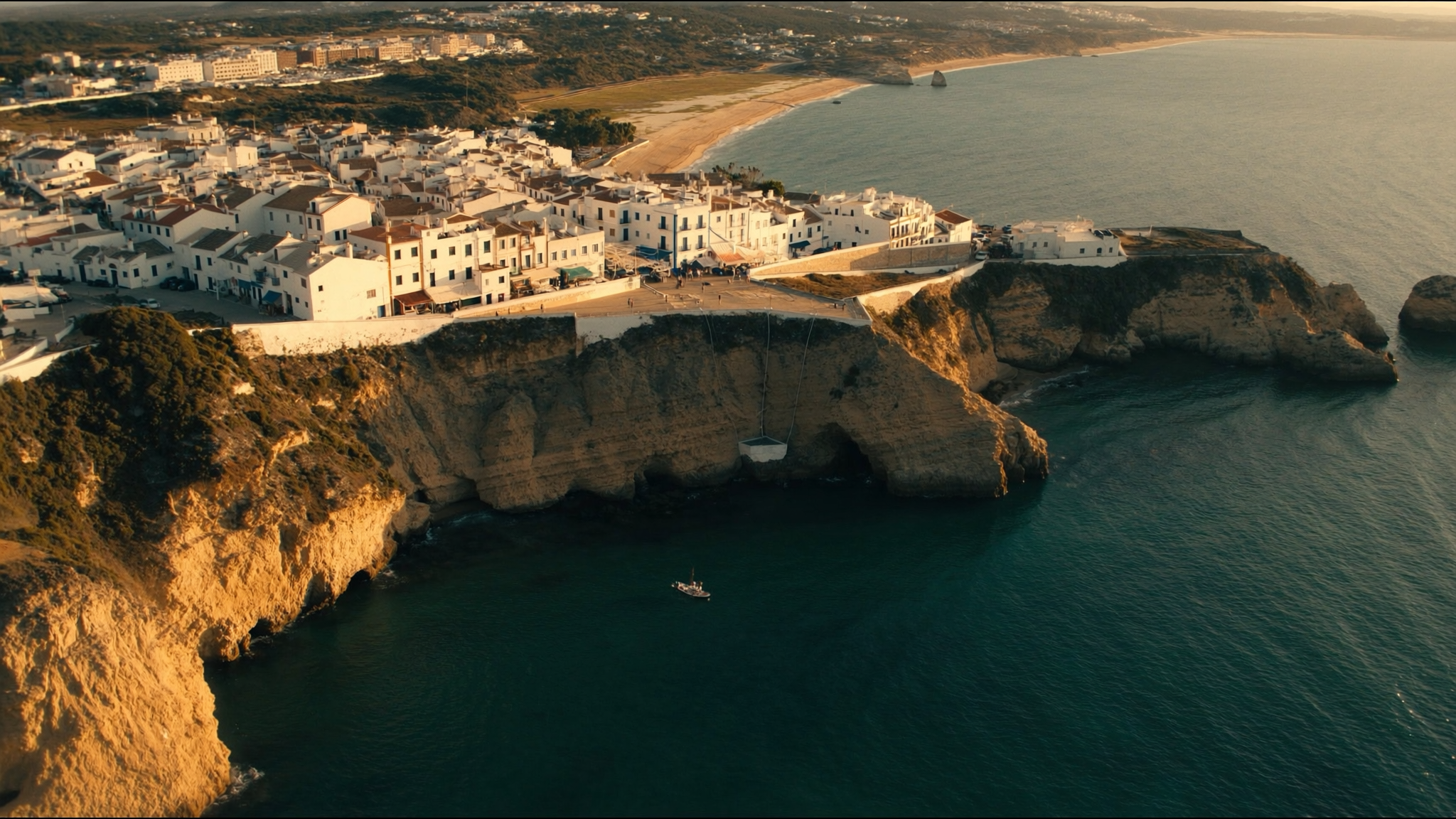
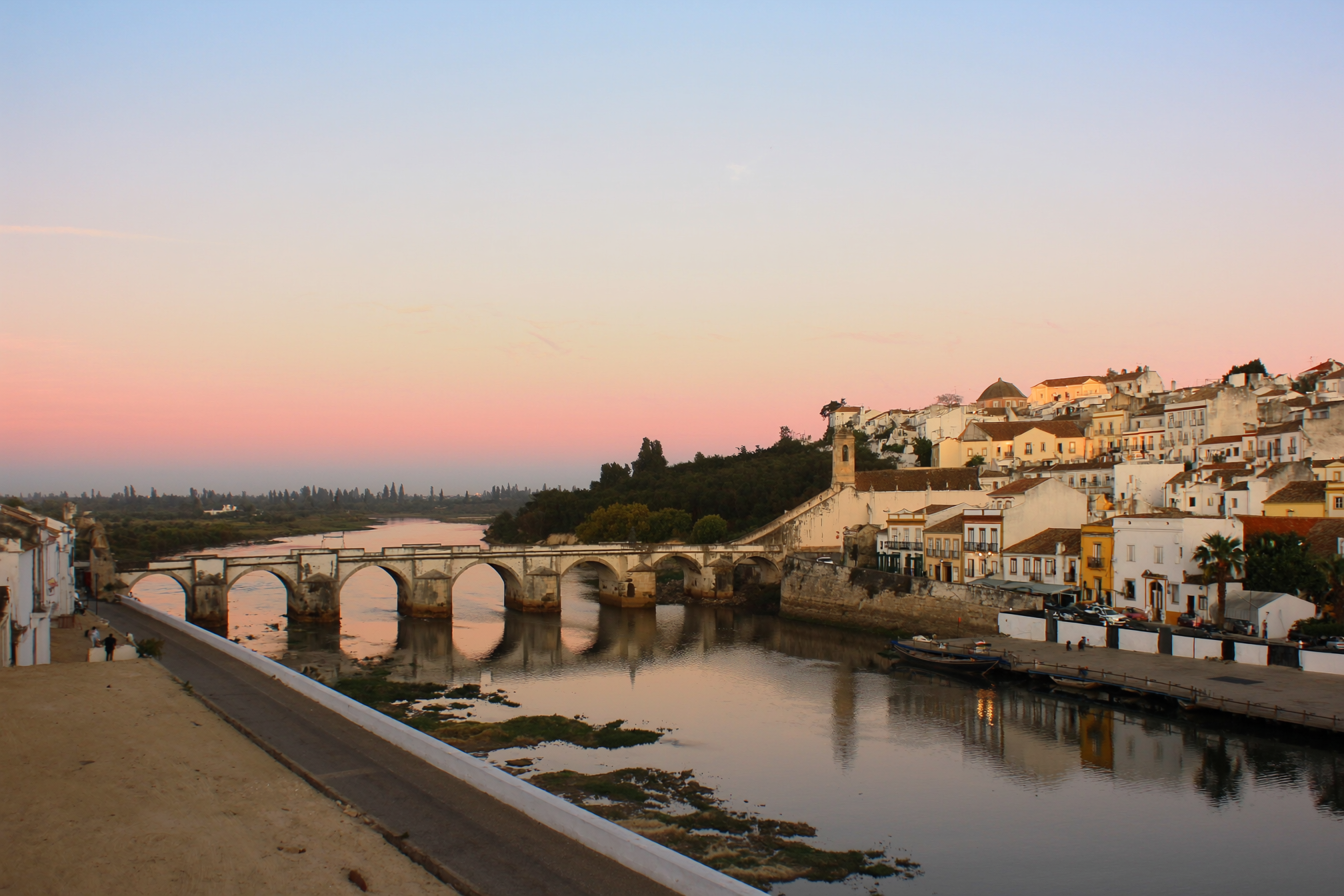
The strip most foreign buyers don't see. Half the entry price of the central Algarve, double the yield growth, and a totally different tenant mix — long-stay European renters, remote-working couples, and a slow but real influx of Lisbon weekenders. Olhão and Fuseta are quietly becoming the most interesting sub-regions in Portugal right now.

Central Algarve — Albufeira, Vilamoura, Almancil
The famous strip. Golf courses, marinas, the Golden Triangle. Where most foreign buyers end up — usually because that's where the loudest marketing is. The numbers are fine, the lifestyle is genuine, but you're paying for the brand. Best for buyers who genuinely want to live there as much as rent it out.

Western Algarve — Lagos, Sagres, Praia da Luz
Smaller, surfier, growing fast. Lagos itself has tightened on yields because everyone discovered it post-Covid, but the villages further west are still under-priced relative to the rental demand. The summer season is shorter than the central Algarve, which is the trade-off.
Silver Coast — Caldas da Rainha, Óbidos, Nazaré
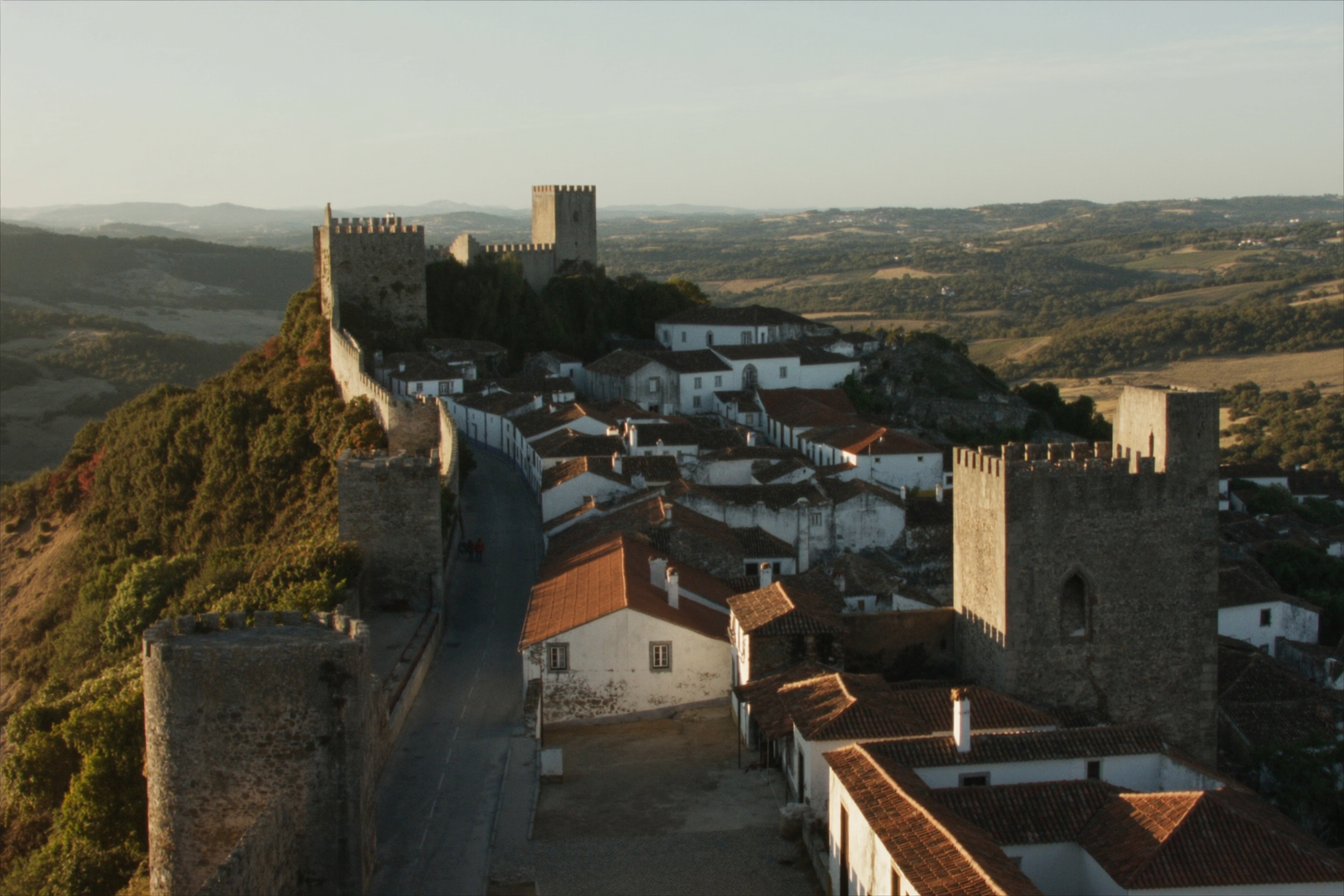
An hour north of Lisbon, on the Atlantic. Less foreign-buyer competition than the Algarve, lower entry prices, and a year-round tenant base because of proximity to Lisbon. The downside is the climate — colder winters than the Algarve and a much shorter short-let season.
Lisbon
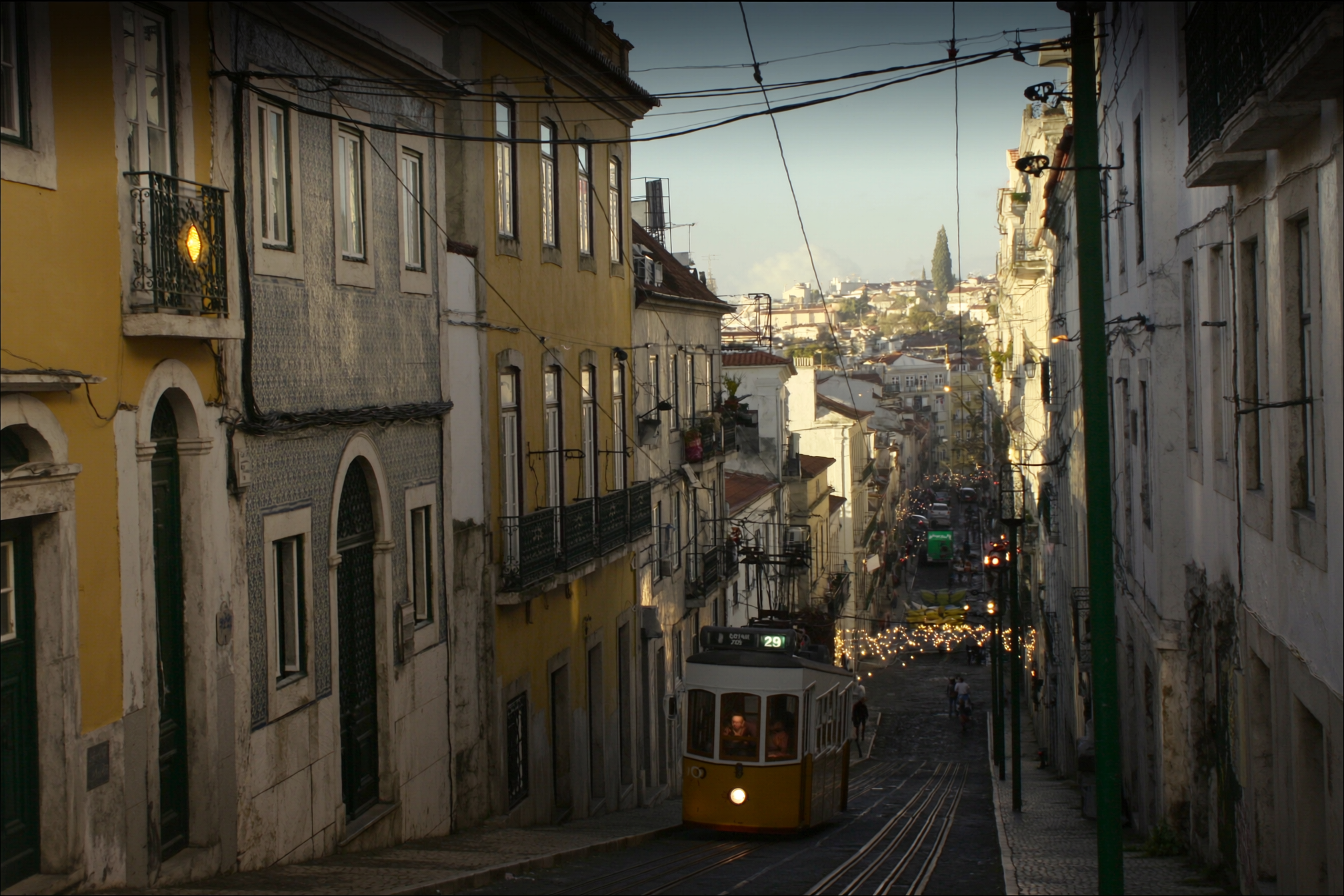
The capital play. Yields are lower because prices have run hard since 2018, but capital growth has been strong and the city is structurally undersupplied for long-term renters. Best as a portfolio diversification piece or a lifestyle base for buyers who want a European capital footprint.

Porto
Cheaper than Lisbon, growing faster as a tech and digital-nomad hub, and arguably more authentic. The historic centre has had years of regeneration funding and is now one of the most interesting yield-plus-growth profiles in Europe.
Section 3
The Golden Visa window — what's actually open
The headline you've probably read: the Portugal Golden Visa ended in October 2023. That's half true.
What ended was the property purchase route — the option of getting Portuguese residency by buying a €500K (or €350K in rehabilitation zones) property. That door is closed.
What didn't end: the Golden Visa as a programme. Investment fund subscriptions of €500K still qualify. Cultural and scientific donations qualify. Business creation that generates jobs still qualifies. The minimum stay requirements (just 7 days in year one, 14 days in years two and three) are unchanged. After 5 years you can apply for citizenship.
So Portuguese residency is still available to international buyers. It just doesn't come automatically with a beach villa anymore. For most of the buyers we work with, that's fine — they want the property regardless of residency. For buyers who specifically want EU residency, the investment fund route is now the cleanest path and several of our partners handle the structure end-to-end.
Section 4
The Algarve sub-region trap — most buyers fall in it
Everyone hears “Algarve” and pictures Lagos or Albufeira. They go, they get sold a unit in a tourist-saturated town with a five-figure annual rental yield, they wonder why nothing happens for three years.
The actual money in Portugal right now is in the eastern Algarve — Faro, Tavira, Olhão, the Fuseta strip. Half the price, double the yield growth, and a totally different demographic of long-stay European tenants.
The Algarve isn't one market. It's at least five. Eastern Algarve is a different country from western Algarve in buyer terms — different tenant profile, different seasonality, different developer landscape, different price floor.
If you take one thing from this page, take this: the country is not the unit. The sub-region inside the country is what makes or breaks the deal. The developers know this. Foreign buyers usually don't.
Section 5
Tax, NHR, and the residency reality
Portuguese property tax is straightforward. You'll pay IMT (property transfer tax) on purchase, IMI (annual municipal tax) each year, and tax on rental income through either a personal or corporate structure. The total ongoing tax burden is generally lower than UK equivalents but higher than offshore alternatives like Dubai.
The Non-Habitual Resident (NHR) regime — the famous 10% pension tax flat rate — ended for new applicants in March 2024. Replacement schemes exist but are narrower. The headline benefit for retirees is gone. The country is still favourable for working-age remote earners and certain professional categories, but the “move to Portugal and pay 10% on your UK pension” era is over.
For sophisticated buyers, the play now is structuring the purchase through a corporate entity — sometimes Portuguese, sometimes Maltese, sometimes via a UK SPV — to optimise both income tax and inheritance tax. This requires a proper cross-border tax advisor before you commit. Inside HPA we connect members directly to the advisor we use for our own deals.
Section 6
The currency window — read this before you transfer money
For UK buyers, sterling is currently 8–12 percent stronger against the euro than its two-year trailing average. On a €300K property, that's £24K–£36K of additional purchasing power versus transferring at 2024 averages. It's a real edge and most buyers don't think about it.
The other side of this: do not use your high-street bank for the currency transfer. The spread is brutal. A bank will typically charge 2.5–4 percent on the transfer; a specialist currency broker charges 0.5–1 percent. On a €300K transfer that's €4,500–€10,500 of difference — the same as a low-tier developer's “launch discount.”
We have two preferred currency partners we route members to. One is the same broker our own business uses for multi-million-euro transfers. Both will lock the rate forward for 6–12 months if you want to hedge the timing of completion.
Section 7
Portuguese developers — three categories worth understanding
Without naming names — which I'll do for paying members — the Portuguese developer landscape sorts into three categories.
Tier one — long-term operators. Family-run or institution-backed firms that have been building in Portugal for 15+ years. They survived the 2008 crisis. They build for the long-term local market as well as foreign buyers. Construction quality is genuinely high and they finish on time. Their pricing is firm — you won't get a huge discount, but you also won't lose your deposit. Maybe twelve of these exist nationally.
Tier two — Golden Visa era specialists. Firms that scaled up between 2014 and 2023 to serve the visa rush. Many were genuinely good. Some were opportunistic. With the visa route closed, this tier is consolidating fast — some have pivoted successfully to the long-term market, others are quietly unwinding projects. Diligence here matters more than anywhere else.
Tier three — opportunistic syndicators. Smaller groups, often foreign-owned, marketing aggressively to overseas buyers. Some are completely legitimate small operators. Some have collapsed projects in their history that don't show up in marketing materials. Without independent vetting, this tier is where overseas buyers lose money.
Inside HPA we have an internal vetting framework — track record, financial accounts, project history, completion record — and we only put members in front of tier-one developers and the tier-two firms we've worked with for 5+ years. That's the actual product the membership pays for. The deals are the output. The vetting is the input.
Why this guide exists
Who is writing this, and why does it matter

Chris White moved to the Algarve in 2010 and founded Ideal Homes Portugal in 2012. Headquartered in Vila Sol, with offices in Lagos and Portimão and a team of forty across sales, lettings, mortgages and aftersales. Sister business Ideal Homes International sells property across more than twenty countries.
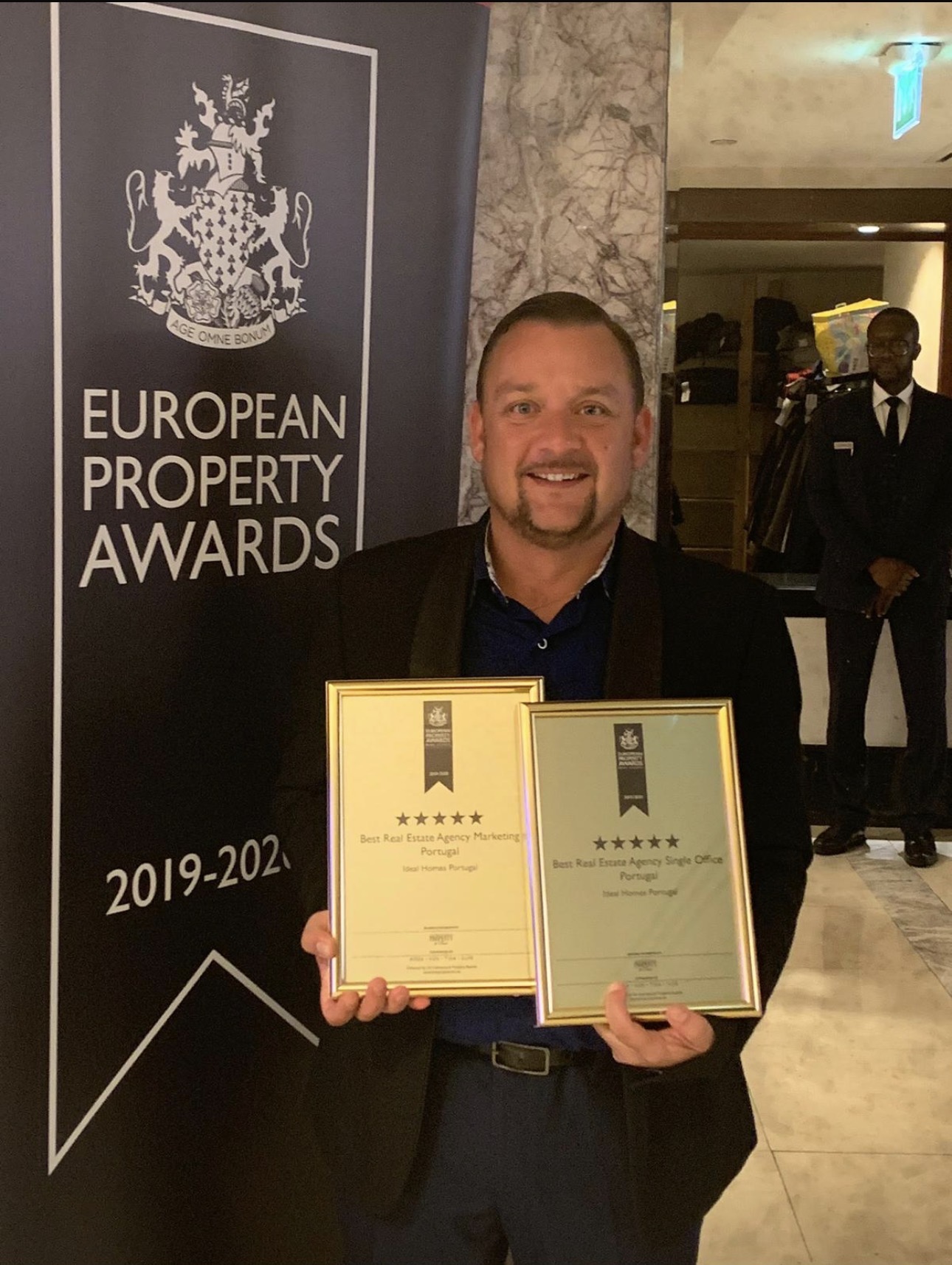
Three businesses, fifteen years on the ground in Portugal, a shelf full of European Property Awards, and a network of developers, lawyers, and currency partners built one deal at a time. That's the foundation underneath everything you just read above.
The Track Record
In 2017 the firm completed Apple Tree Lane in Almancil — a five-villa development in the Golden Triangle, co-developed with Duncan Bannatyne of Dragons' Den. It won Best Residential Development Portugal at the European Property Awards. The project sold out the same year.
In 2021 the firm took five wins at the International Property Awards in one cycle. Best Real Estate Agency (Single Office), Best Real Estate Agency Marketing, Best Lettings Agency, Best Residential Development, and — judged by an independent seventy-person panel — Best Real Estate Agent Portugal, awarded to Chris personally.

The Partnerships That Matter
Building property in a foreign country well requires the network you arrive with as much as the capital. Apple Tree Lane wasn't just an investment — it was a partnership with Duncan Bannatyne, one of the UK's most experienced business operators, who's known Chris and worked with him for over a decade across both business and charity.
Those relationships compound. Today the HPA Trusted Partner Directory — the actual product behind the membership — is the result of fifteen years of one-on-one relationships with developers, lawyers, tax advisors, currency brokers and mortgage partners across seven countries. None of that appears on a Google search.

Forty People On The Ground
This is the Ideal Homes Portugal team. Forty staff across sales, lettings, mortgages and aftersales, based in the Algarve, fluent in Portuguese, English and several other languages, with relationships at every Portuguese bank, law firm and developer that matter.
When an HPA member buys property in Portugal, this is the team that handles the local side of the transaction. Not a WhatsApp group of freelancers. A real business with real payroll, real offices, and real accountability for every deal that goes through it.

On Camera, On Stage
In 2022, Channel 4's “Sun, Sea and Selling Houses” expanded from Spain into the Algarve for its fifth series. Ideal Homes Portugal was the agency partner. Chris, alongside Ideal Homes CEO Angela Worrall and the currency partner Claire Wheatley, features across the Algarve episodes that aired in April and May 2022.
Beyond TV: regular keynote appearances at A Place in the Sun Live, international property expos across Europe and Asia, and ongoing media coverage in The Portugal News, Portugal Resident, Algarve Daily News, and London Daily News. The industry knows who he is.

The Rooms He's In
Chris has shared stages with Tony Robbins, worked alongside Duncan Bannatyne for over a decade, and met with everyone from Arnold Schwarzenegger to Samuel Leeds in the course of building three businesses across the UK, Portugal and the international property circuit.
The point isn't the names. The point is the network. The people who get access to the best deals, the best off-market opportunities, the best legal and financial partners — they get that access because of who they know, not what they pay. That's the network HPA members borrow from.

Beyond The Numbers
Three Africa missions including Operation Smile alongside Duncan Bannatyne. A 2023 Uganda mission with Samuel Leeds. Ongoing work with charities operating in healthcare and education in the regions Chris's businesses sell into.
This isn't why you should trust him with a property decision. But it tells you something about how he runs the business behind the property decision. The people you let into your financial life should be the people who give a damn about what happens to other people's money.
Why Hot Property Alerts exists
Fifteen years of relationships, bottled into a membership
After fifteen years of running Ideal Homes Portugal, Chris kept running into the same problem. Smart, capital-ready buyers from the UK, US, Australia and Ireland would arrive in the Algarve looking for property, and they'd already made expensive decisions before they got there. They'd bought in the wrong sub-region. They'd used the wrong currency provider. They'd signed with a developer whose history nobody had checked. They'd missed the right tax structure by a year.
The problem wasn't lack of effort. These were people who had done their research — Googled, read blogs, watched YouTube, talked to one or two local agents. The problem was that nothing they read or watched was honest in the way it needed to be. Everything was either an advert for a specific developer, or a generic country overview written by someone who'd never actually closed a deal in that market.
Hot Property Alerts is the thing Chris wished those buyers had access to before they made their decisions. The country reports written by people on the ground. The developer vetting framework borrowed from Ideal Homes' own due diligence. The currency partners, the tax advisors, the mortgage brokers, the legal contacts. The weekly workshops where you can ask Chris a question directly. The SMS line where you can text the team and get a real human answer the same day.
What used to require a fifteen-year career in international property to access is now available to anyone serious enough to join the membership. £99 a month gets you the intel layer — country reports, weekly workshops, deal previews, SMS access, the partner directory. That's the version most members start with.
If you're reading this guide because Portugal might be your next move, Insider is the cheapest piece of professional intel on overseas property you'll find. If it isn't — if you're still figuring out which country — Insider is still the cheapest way to find out, because the same membership covers every market we work in.
Either way, the next step is below.
The next step
What HPA Insider gives you for Portugal
Membership is £99 a month. Cancel any time. No questions asked.
- ✓Monthly Portugal market report — sub-region rankings, yield trajectories, what we are watching
- ✓Weekly live workshop with Chris — deal walkthroughs, open Q&A, current market read
- ✓Pre-vetted deal pipeline — Portuguese off-plan, repossessions, off-market resales
- ✓Trusted partner directory — the developers, lawyers, mortgage brokers, and currency partners we use ourselves
- ✓Direct SMS line to the HPA team — text us your Portugal question, real human answer the same day
- ✓First look at every new briefing, index and country report before they go public
Cancel any time. No questions asked.
Common questions
Portugal property FAQ
Can foreigners actually own property freehold in Portugal?
Yes. Full freehold ownership is available to any foreign buyer, with no restriction by nationality. No nominee structures, no leasehold workarounds. You hold the title directly.
Do I need to be a resident to buy?
No. You can buy as a non-resident with no minimum stay requirement. You will need a Portuguese tax number (NIF), which a lawyer or fiscal representative can obtain in a few days.
What about the Golden Visa? Is it dead?
Not dead, but heavily restricted. The classic property-purchase route was closed in October 2023. There are still investment routes that lead to residency — investment funds, cultural donations, business creation — and some grandfathered property arrangements. If residency is a goal, it changes which structure you buy through. Worth a call with a lawyer before committing.
How much will it actually cost on top of the purchase price?
Budget roughly 7–10 percent on top of the purchase price for closing costs. That includes IMT (property transfer tax, the biggest single line), stamp duty, notary, registration, and lawyer's fees. On a €300K property you're looking at €21K–€30K total in costs. Plan for the upper end and you won't be surprised.
Can I get a mortgage in Portugal as a foreigner?
Yes. Portuguese banks lend to non-residents at typically 60–70 percent loan-to-value, sometimes 80 percent for EU buyers. Rates have come off the peak and are competitive again. A good Portuguese mortgage broker (we have several in the HPA partner network) usually beats a UK-side broker on terms.
What's the realistic short-term rental income?
Highly location-dependent. A 2-bed apartment in central Algarve with an AL (Alojamento Local) license can do €25K–€45K gross per year. In the eastern Algarve the same property might do €18K–€30K but at half the purchase price, so the yield is higher. Lisbon and Porto are stable rather than seasonal — lower peak but year-round.
Is the AL (Alojamento Local) licence still possible?
Yes in most areas, with restrictions in certain Lisbon and Porto zones. The 2023 Mais Habitação law tightened the rules but did not kill short-term rentals. New AL licences are still issued in the Algarve and most regions. If a deal depends on AL being available, get written confirmation before exchanging.
What's the NHR tax regime — and am I too late?
The original NHR (Non-Habitual Resident) regime ended for new applicants in March 2024. A replacement scheme — IFICI (Tax Regime for Scientific Research and Innovation) — exists but is narrower and targets specific sectors. The country still has favourable tax treatment for retirees and remote workers compared to most of Northern Europe, but the headline 10% pension tax is gone for new applicants.
Haven't taken our quiz yet?
Find your best-fit market in sixty seconds
Portugal might be the right answer. It might not. Our quiz takes your capital, timeline, and goals, and matches you to the country most likely to deliver — then sends a personalised briefing to your inbox.
Take The 60-Second Quiz