
Mexico — Investor Guide 2026
Buying property in Mexico — the honest guide
The fideicomiso trust structure, USD pricing in the resort markets, Tulum versus Playa del Carmen versus Cabo, and the one mistake that costs Mexican property buyers on resale.
A note from Chris
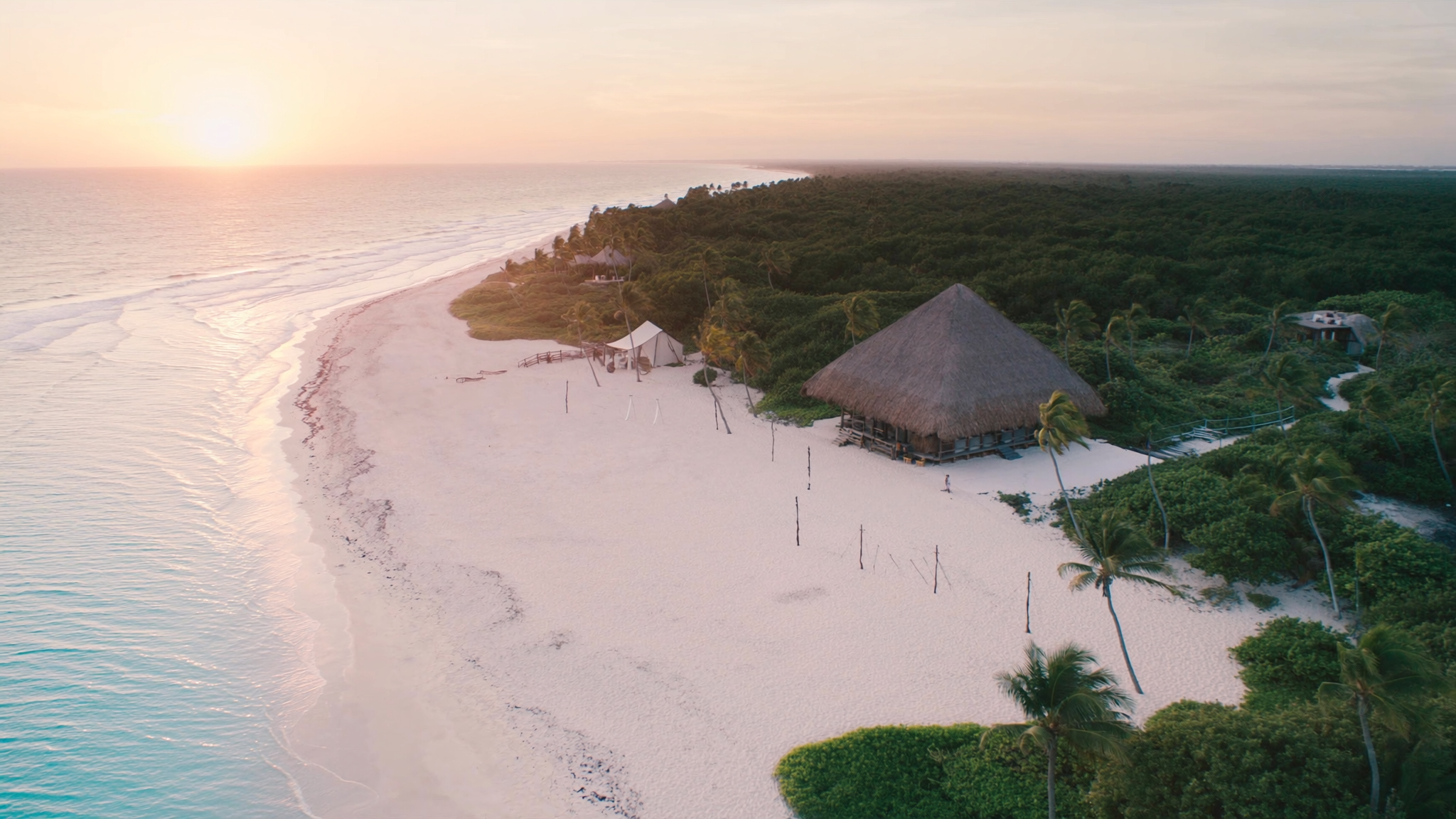
Mexico has been the fastest-growing market in the HPA universe over the past three years. Tulum and the Riviera Maya specifically have produced more new foreign-buyer transactions than any other beach market we cover — and for good reason. USD-denominated pricing, year-round occupancy, direct US flight access, and one of the simplest legal ownership structures in the world for foreign individuals.
The thing most first-time Mexico buyers misunderstand isn't the country or even the legal structure. It's the fideicomiso — the bank trust that foreign owners use to hold coastal property. They either treat it as exotic and scary (and miss the opportunity), or they treat it as a rubber-stamp formality (and end up with a poorly-structured trust that costs them on resale). Neither is right.
This page walks through what Mexico actually produces — the regions, the fideicomiso correctly explained, the tax structure, the small group of developers worth trusting in Tulum and the Yucatán.
Section 1
The Mexico market snapshot — 2026
Mexican coastal property in 2026 is in a sustained growth phase. The Riviera Maya — particularly Tulum and Playa del Carmen — has produced 8–14 percent annual price appreciation for foreign-priced product over the past four years, with rental occupancy sustained between 75 and 90 percent year-round. The Cabo and Pacific markets have grown more slowly but from a higher base, anchored by US high-net-worth second-home demand.
The structural factors driving this are durable. Direct US flight access from major Eastern and Central US cities to Cancun, Cozumel, and Cabo. Year-round climate. USD-denominated pricing removing peso volatility for foreign buyers. The fideicomiso structure providing legally clean foreign ownership. And the broader nearshoring trend pulling US capital and population south for both lifestyle and investment reasons.
Three macro factors matter for foreign buyers right now. First, the supply pipeline of new boutique developments in Tulum and Mérida has tightened post-2024 as land prices have risen — meaning existing well-located stock is gaining scarcity value. Second, the introduction of new short-term rental regulations across Quintana Roo state has separated licensed compliant operators from unlicensed ones — good news for buyers who buy with proper paperwork. Third, the Mexican peso has weakened against USD which keeps construction costs (peso-denominated) low relative to sale prices (USD-denominated).
Section 2
Six Mexican sub-regions, ranked by current opportunity
Mexico is large enough that these six sub-regions behave like six different countries — different tenant bases, different yield profiles, different ownership friction.
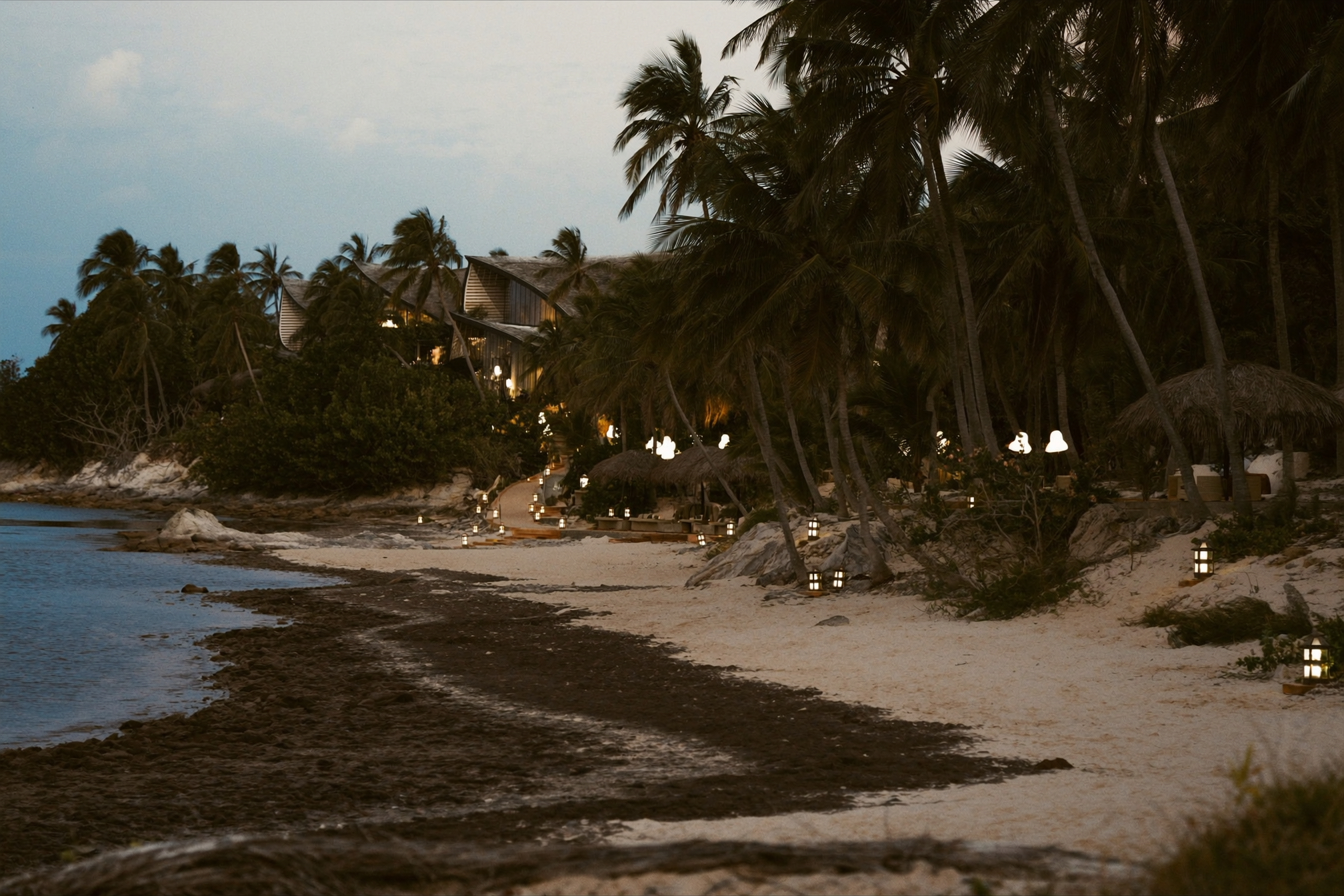
Tulum — eco-luxe Caribbean
The fastest-growing Mexican market and the standout cashflow producer. Jungle meets Caribbean, eco-luxe design language dominates, short-term rental occupancy runs 75–85 percent year-round driven by direct US flight access. Best for buyers chasing yield in a USD-priced market with strong year-round tourism.

Playa del Carmen — established Riviera Maya
The most mature foreign-buyer market in the Riviera Maya. Better infrastructure than Tulum, deeper resale liquidity, more long-term tenant base from the expat and digital nomad community. Yields slightly lower than Tulum because supply has caught up, but operational risk is materially lower. Best for first-time Mexico buyers.
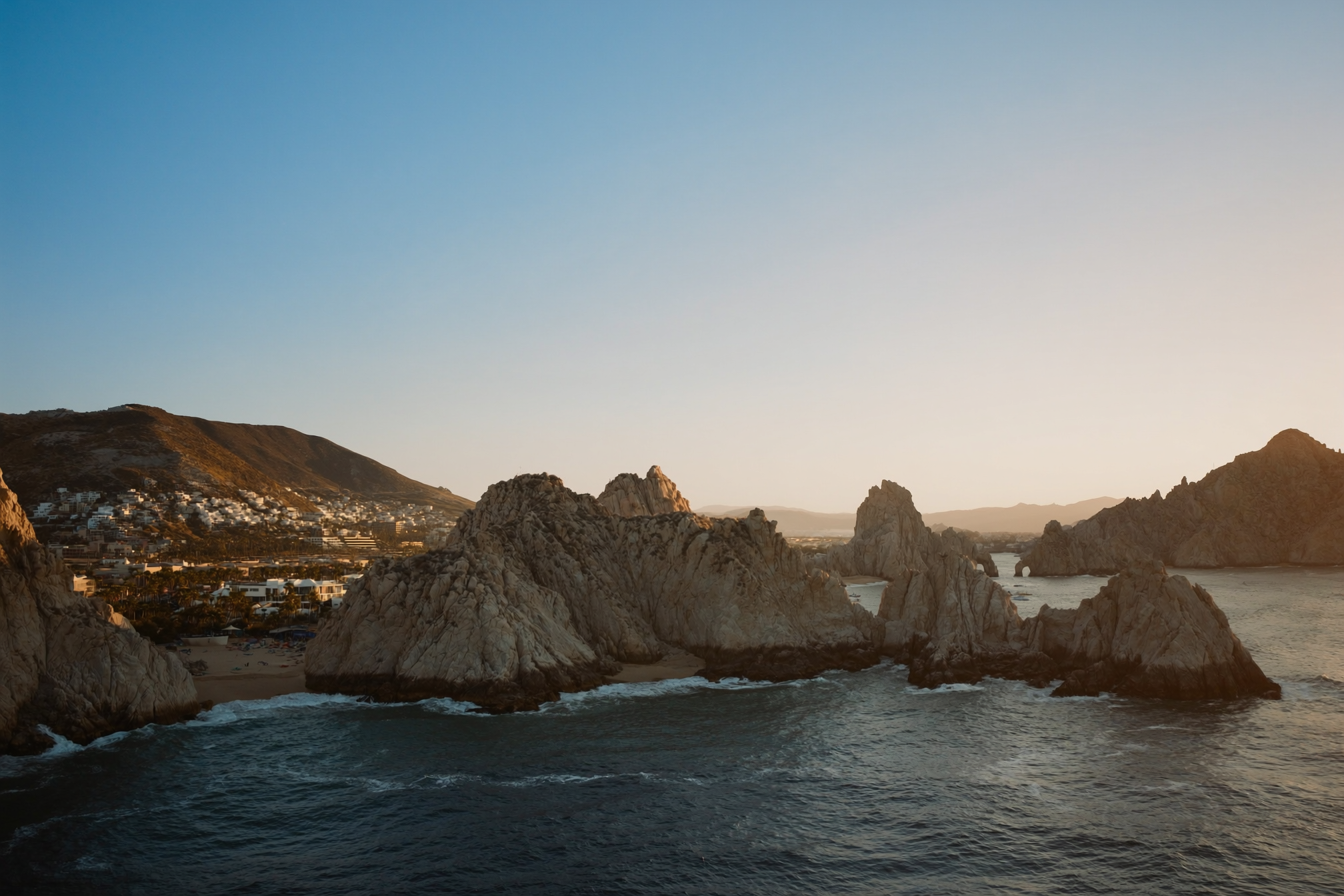
Cabo San Lucas & Los Cabos — Pacific luxury
The luxury end of Mexican real estate. Pacific coast, dramatic landscape, the most established US high-net-worth second-home market in Mexico. Branded residences (Four Seasons, Montage, One&Only) dominate the premium tier. Yields tighter than the Caribbean side but capital appreciation has been strong and the buyer profile is the most affluent in Mexico.
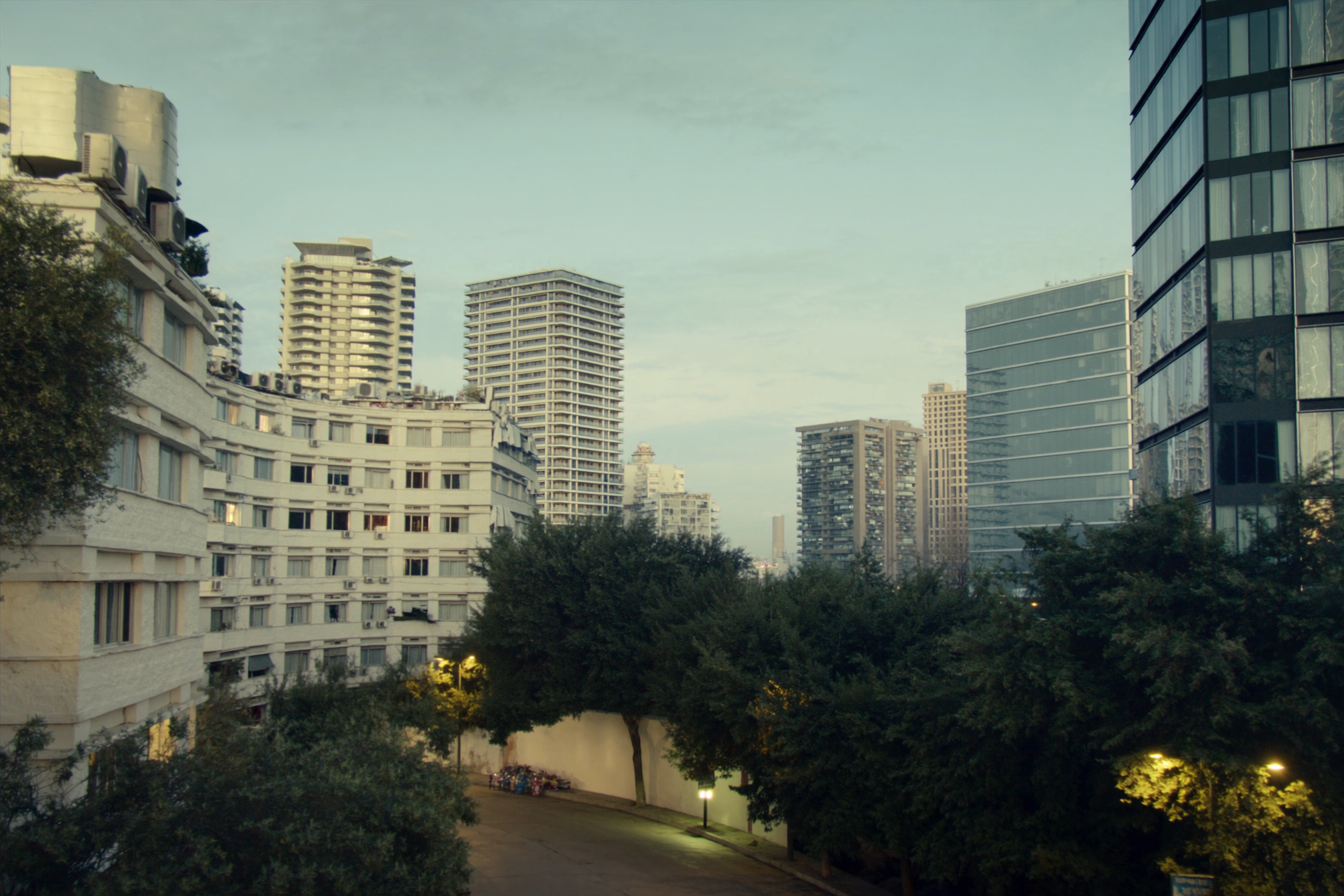
Mexico City — Polanco, Roma, Condesa
The urban play. CDMX has emerged as one of Latin America's most interesting cultural and tech capitals, drawing remote workers and creative professionals from the US in particular. Long-term rental demand is strong, capital growth has been steady. Best for buyers wanting to diversify away from beach exposure.
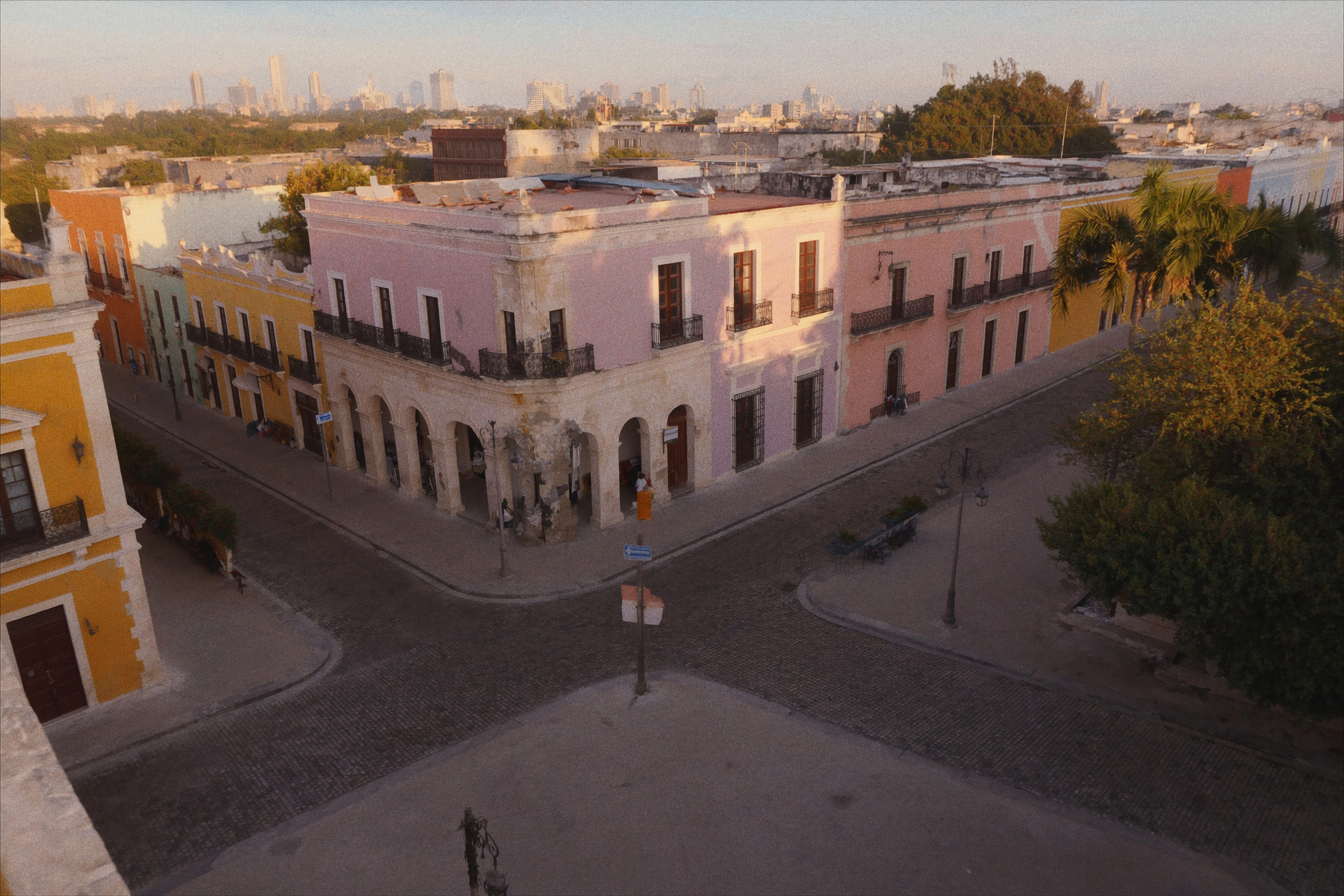
Mérida & Yucatán — heritage value
The value play. Colonial colonial architecture, dramatically cheaper than the coast, increasingly popular with North American retirees and remote workers. Strong fundamental demand and limited supply due to historic preservation. Best for value buyers willing to be slightly inland in exchange for half the entry price of Tulum.
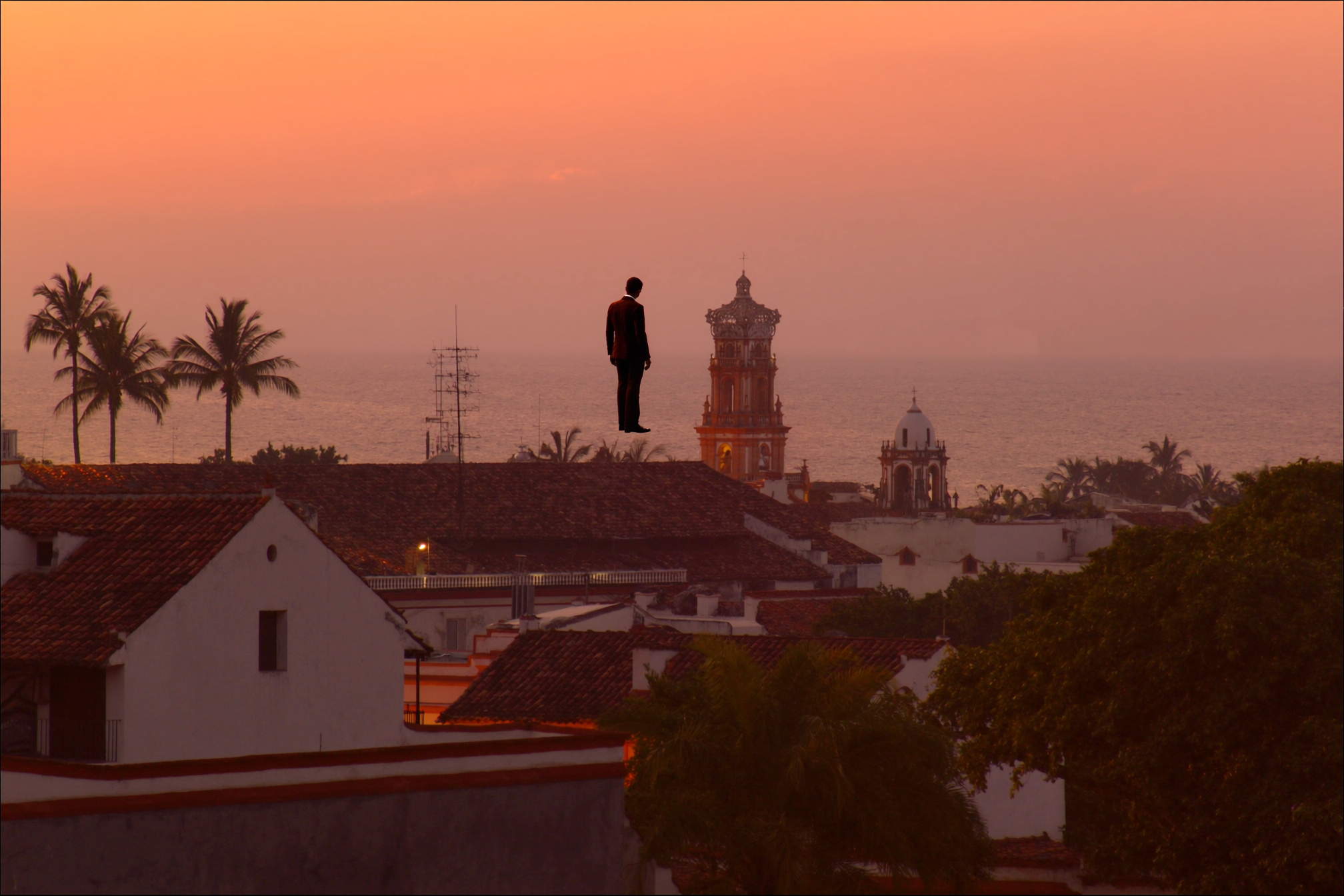
Puerto Vallarta & Riviera Nayarit — Pacific lifestyle
The mature Pacific lifestyle market. Long-established expat community, particularly strong with North American retirees, year-round climate, well-developed infrastructure. Sayulita and the Riviera Nayarit corridor immediately north are where the growth is — earlier-stage with stronger yields than central Puerto Vallarta.
Section 3
The fideicomiso mistake — what costs buyers on resale
The fideicomiso is the bank trust structure foreign owners use to hold property within Mexico's restricted zone (50km of coast or 100km of border). It's a legally robust, well-established mechanism — tens of thousands of foreign buyers have used it across the past decades. The trust gives you full beneficial ownership including sale, inheritance, rental, and modification rights.
The mistake foreign buyers make isn't avoiding the fideicomiso — it's setting it up badly the first time.
The structure varies meaningfully by bank trustee. Some Mexican banks charge $700+ annual trust fees, others charge $400. Some allow easy beneficiary changes for estate planning, others require expensive amendments. Some have efficient sale-transfer processes, others create friction at resale that costs the seller thousands. The notary you use to register the trust matters — a Mexican notary is a public officer with significant authority over the structure, and a competent notary versus an indifferent one is the difference between a clean structure and one that hits problems years later.
The buyers who lose money on Mexican property typically don't lose it on the property — they lose it on the fideicomiso setup. Annual fee differentials of $300 over a 10-year hold are real money. Estate-planning amendment costs when the structure wasn't set up to allow them are real money. Sale-transfer friction when the trustee bank is slow is real money. These are all avoidable with the right setup at the point of purchase.
The right move is to get the fideicomiso structured properly the first time — with the right trustee bank, the right notary, the right beneficiary language, the right amendment provisions. Inside HPA we connect members directly to the Mexican real estate lawyer we use ourselves for this. The lawyer's fee is modest. The savings over the holding period are substantial.
Section 4
The USD pricing advantage — most buyers don't realise this
One of the structural reasons Mexico remains attractive to international buyers is that the resort markets — Tulum, Playa del Carmen, Cabo, Puerto Vallarta — price properties in US dollars rather than pesos. Your purchase price is USD. Your rental income is USD. Your appreciation is USD. Your eventual sale price is USD.
This is genuinely useful. The Mexican peso has traded in a wide band against USD over the past decade. Foreign buyers buying in peso-denominated markets (Mexico City, inland Mexico) take on currency risk on every aspect of their investment. Foreign buyers in the USD-priced resort markets simply don't — the peso could halve or double and the economic reality of your investment is unchanged.
For UK, EU and Canadian buyers, your only currency consideration is your home currency to USD — the same consideration you'd have on any USD asset. For US buyers there's effectively no currency consideration at all. This is one of the reasons Mexican coastal property has emerged as the preferred international diversification for US investors over the past five years.
Use a specialist currency broker for the transfer if you're buying from outside the US. We have two preferred currency partners — both will lock the rate forward for the 12–24 months a typical off-plan completion takes.
Section 5
Mexican developers — three categories
The Mexican developer landscape sorts into three categories.
Tier one — established Mexican operators and international branded. Long-track-record Mexican developers in Tulum, Playa del Carmen and Cabo with completed pipelines and clean financial backing. Plus the branded international operators (Four Seasons, Montage, Banyan Tree, Aman) on the Cabo and luxury Riviera Maya end. Conservative balance sheets, on-time delivery, and verifiable client outcomes. These are the operators we work with primarily.
Tier two — competent boutique operators. Smaller Mexican developers building boutique 8–30 unit projects, often focused on eco-luxe design in Tulum or heritage restoration in Mérida. Some have outstanding architecture and operational competence but smaller balance sheets and shorter track records. Members occasionally see tier-two opportunities when the project economics and developer-specific reputation both check out under independent diligence.
Tier three — opportunistic operators. Smaller developers, often newer, often heavily marketed through US-facing influencer and agent networks. Mexican real estate has fewer regulatory protections than European or UAE markets — there's no equivalent of RERA (Dubai) or LATA (Spain) to protect deposits. That makes tier-three developer selection genuinely high-stakes. We don't place members with this tier.
Inside HPA we restrict the Mexico pipeline to tier-one developers and the small handful of tier-two firms where we've personally walked completed projects, met principals, and reviewed financial backing. That's the actual filter behind every Mexico deal in the membership.
Why this guide exists
Who is writing this, and why does it matter

Chris White built Ideal Homes Portugal from a single Algarve office in 2012 into a forty-person property business with a sister company selling across more than twenty countries. Mexico — particularly the Riviera Maya — has been part of that network for over four years.
Multiple European Property Awards. The Apple Tree Lane development with Duncan Bannatyne of Dragons' Den. Channel 4's “Sun, Sea and Selling Houses.” Speaking on stage with Tony Robbins, Arnold Schwarzenegger, and Samuel Leeds.
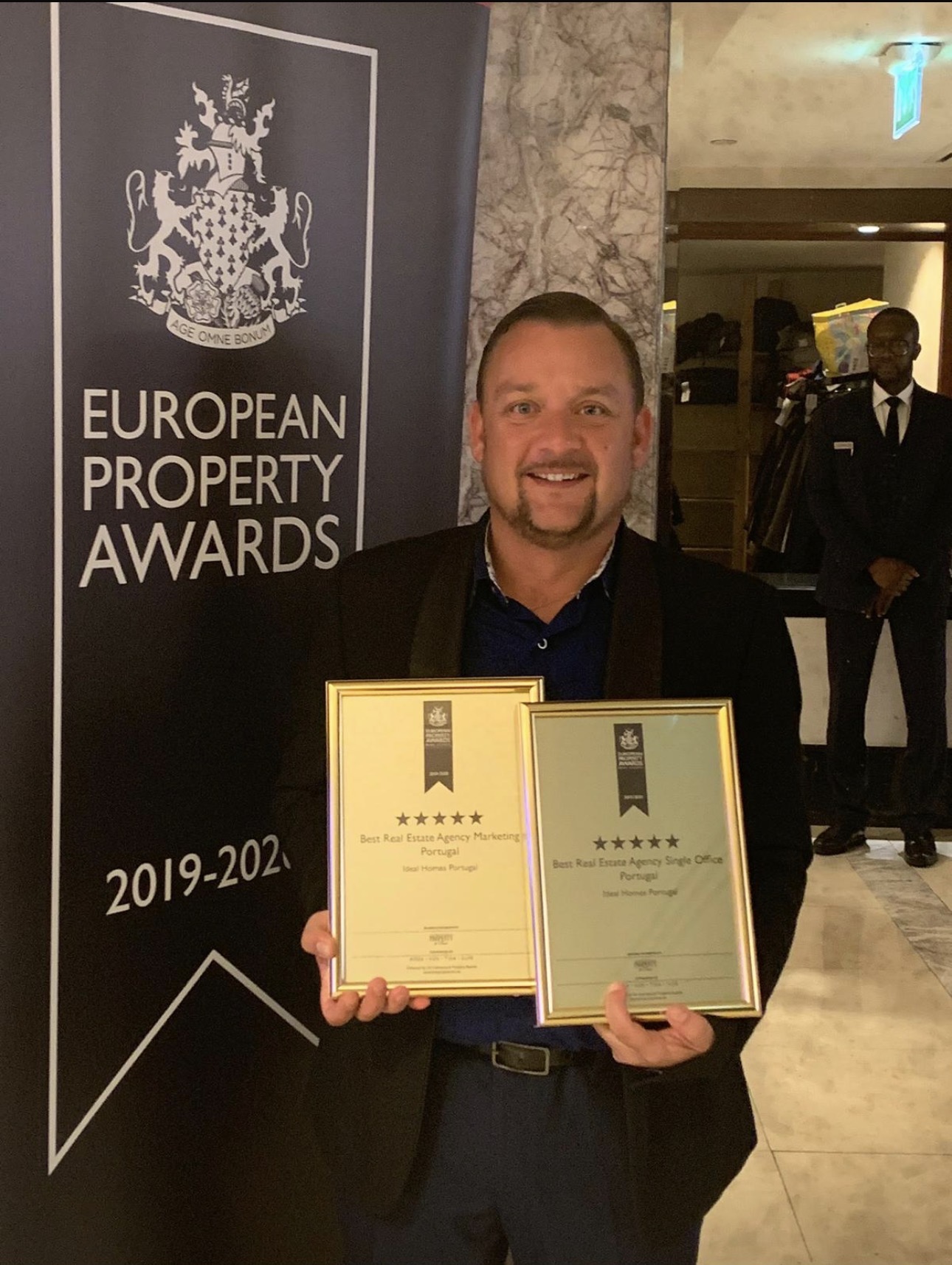
The standard the business operates to
The European Property Awards are judged by a seventy-person independent panel that verifies operations and audits client outcomes. Winning them repeatedly is how you signal the business behind the marketing is real.
That same standard is what HPA brings to Mexico. The tier-one Tulum and Cabo developers, the boutique Mérida operators — all run through the diligence framework Ideal Homes uses for its own partnerships.

The rooms he's in
Chris has shared stages with Tony Robbins, worked alongside Duncan Bannatyne for over a decade, and met with everyone from Arnold Schwarzenegger to Samuel Leeds across the international property and business circuit.
The point isn't the names — it's the access. The boutique Tulum developers we work with don't accept cold approaches from foreign buyers. They take introductions. The HPA membership is your introduction.

Beyond the numbers
Three Africa missions including Operation Smile alongside Duncan Bannatyne. A 2023 Uganda mission with Samuel Leeds. Ongoing work with healthcare and education charities.
Not directly relevant to a Mexico property decision. But it tells you what kind of business operator he's built. The people you let into your financial life should be the people who care about what happens to other people's money.
Why Hot Property Alerts exists
Four years of Mexican deal flow, bottled into a membership
After four years running deals in Mexico, the same pattern kept repeating. International buyers — Americans, Canadians, increasingly Brits and Europeans — would arrive in Tulum or Playa del Carmen with capital ready, having done their Google research and watched the YouTube videos. They'd already half-decided on a developer based on Instagram marketing.
And they'd set up the fideicomiso badly. Or buy from a tier-three developer who delivered the project late and to a lower spec than promised. Or miss the proper short-term rental licensing and end up with operational restrictions a year in. Or pay 30 percent too much because they didn't understand the resort pricing curve.
Hot Property Alerts is the thing Chris wished those buyers had access to before they made their decisions. The tier-one Tulum and Riviera Maya developers. The tier-one Cabo operators. The Mexican-experienced real estate lawyer who structures fideicomisos correctly the first time. The cross-border mortgage broker. The currency partners. The weekly workshops where you can ask Mexico-specific questions directly.
£99 a month gets you the intel layer — country reports, weekly workshops, deal previews, SMS access, the partner directory. That's the version most members start with.
If Mexico is genuinely your next move — and given the USD pricing, the fideicomiso structure, and the year-round occupancy, it should be on the shortlist for any yield-focused international buyer — Insider is the cheapest piece of professional intel you'll find.
The next step
What HPA Insider gives you for Mexico
Membership is £99 a month. Cancel any time. No questions asked.
- ✓Monthly Mexico market report — Tulum, Playa del Carmen, Cabo, Mexico City and Mérida side by side, with current yields and what we are watching
- ✓Weekly live workshop with Chris — deal walkthroughs, open Q&A, current Mexico market read
- ✓Pre-vetted deal pipeline — only from tier-one Mexican developers and trusted tier-two boutique operators
- ✓Trusted partner directory — Mexican real estate lawyers for fideicomiso setup, cross-border mortgage brokers, tax advisors and currency partners we use ourselves
- ✓Direct SMS line to the HPA team — text us your Mexico question, real human answer the same day
- ✓First look at every new briefing, index and country report before they go public
Cancel any time. No questions asked.
Common questions
Mexico property FAQ
Can foreigners actually own property in Mexico?
Yes, with one structural detail. Foreigners can own property anywhere in Mexico directly — except within 50km of the coast or 100km of an international border. That “restricted zone” covers basically every place worth buying for foreign investors (Tulum, Playa del Carmen, Cabo, Puerto Vallarta, all of Yucatán coastal). In the restricted zone, foreigners hold property via a fideicomiso — a 50-year renewable bank trust that grants full beneficial ownership rights including sale, inheritance and rental income. The structure is well-established, has been used by tens of thousands of foreign owners for decades, and is legally robust.
What is a fideicomiso and how does it actually work?
A fideicomiso is a real estate trust held with a Mexican bank acting as trustee on behalf of the foreign beneficiary (you). You hold full beneficial ownership — the right to sell, rent, modify, inherit, and pass to heirs. The bank's role is purely administrative; you make all decisions about the property. The trust term is 50 years, renewable for another 50 years at the end (and another 50 after that, effectively perpetual). Annual trust fees are modest (typically $500–$700). The structure is permissioned by the Mexican Foreign Affairs Ministry and the property is registered at the local Public Registry under the trust.
What's the difference between fideicomiso and Mexican corporation?
Two routes to the same outcome but different use cases. Fideicomiso is the standard for foreign individuals — simpler, lower fees, easier inheritance. Mexican corporation (SA de CV) is the route for foreign buyers who plan to operate as a business — multiple properties, active rental management, or vacation rental operations at scale. Most HPA members start with fideicomiso and only move to corporate structure when they have 3+ Mexican properties or are running it as a business.
Are properties really priced in US dollars?
Yes, in most resort and foreign-buyer markets. Tulum, Playa del Carmen, Cabo, Puerto Vallarta and most of the Riviera Maya/Nayarit price properties in USD as standard. This removes Mexican Peso volatility from your investment equation entirely — your purchase price, your appreciation, your rental income, and your eventual sale price are all USD-denominated. Mexico City and inland markets often price in pesos, which adds currency exposure but typically at lower entry prices. The USD pricing in resort markets is one of the underappreciated reasons Mexico remains attractive to international buyers.
Can I get a mortgage in Mexico as a foreigner?
Yes, with some friction. Mexican banks lend to foreign buyers at typically 50–65 percent loan-to-value, with rates higher than US or Canadian equivalents. The more common route for foreign buyers is developer-financed instalments (common on Tulum and Playa del Carmen off-plan), or international cross-border mortgages from US-based lenders specialising in Mexican real estate. We have one preferred cross-border mortgage broker in the HPA partner network for buyers who don't want all-cash.
What's the realistic short-term rental income?
Strong by global standards in the resort markets. A 2-bedroom Tulum condo with proper licensing runs $30K–$55K USD gross per year. A Playa del Carmen equivalent runs $24K–$42K. A Cabo villa can run $80K–$250K depending on size and beachfront positioning. Operating costs (management, maintenance, utilities) typically take 30–40 percent of gross, so net yields run 5–9 percent — strong absolute returns given the USD-denominated revenue and Mexican tax structure.
What taxes will I pay in Mexico?
On purchase: acquisition tax (ISAI) of 2 percent of property value, plus notary and registration fees. Total closing costs typically 4–6 percent on top of price. On rental income: 25 percent withholding for non-residents on gross rental, or full progressive income tax rates with deductions if you elect to file. On sale: capital gains tax with deductions available, often calculated at the lower of the gain-based rate or a flat percentage of sale price. Most foreign owners structure to minimise the tax leakage — we connect members directly to a Mexican-experienced tax advisor who handles this.
Is Mexico safe for foreign property investors?
The property market itself has been entirely stable — there has been no significant disruption to foreign-buyer transactions or ownership rights in Mexico in the past 30+ years. The general security concerns most foreign buyers raise are concentrated in specific regions (Mexico–US border, certain inland areas) that are not where foreign property investment activity happens. Tulum, Playa del Carmen, Cabo, Mexico City Polanco/Roma/Condesa, Mérida, Puerto Vallarta — these are the markets HPA covers and they operate as completely normal foreign-buyer property markets.
Haven't taken our quiz yet?
Find your best-fit market in sixty seconds
Mexico might be the right answer. It might not. Our quiz takes your capital, timeline and goals, and matches you to the country most likely to deliver — then sends a personalised briefing to your inbox.
Take The 60-Second Quiz