
Dubai — Investor Guide 2026
Buying property in Dubai — the honest guide
Zero tax, the 10-year Golden Visa, post-handover payment plans, and the developers worth trusting in the world's most opaque foreign-buyer market.
A note from Chris
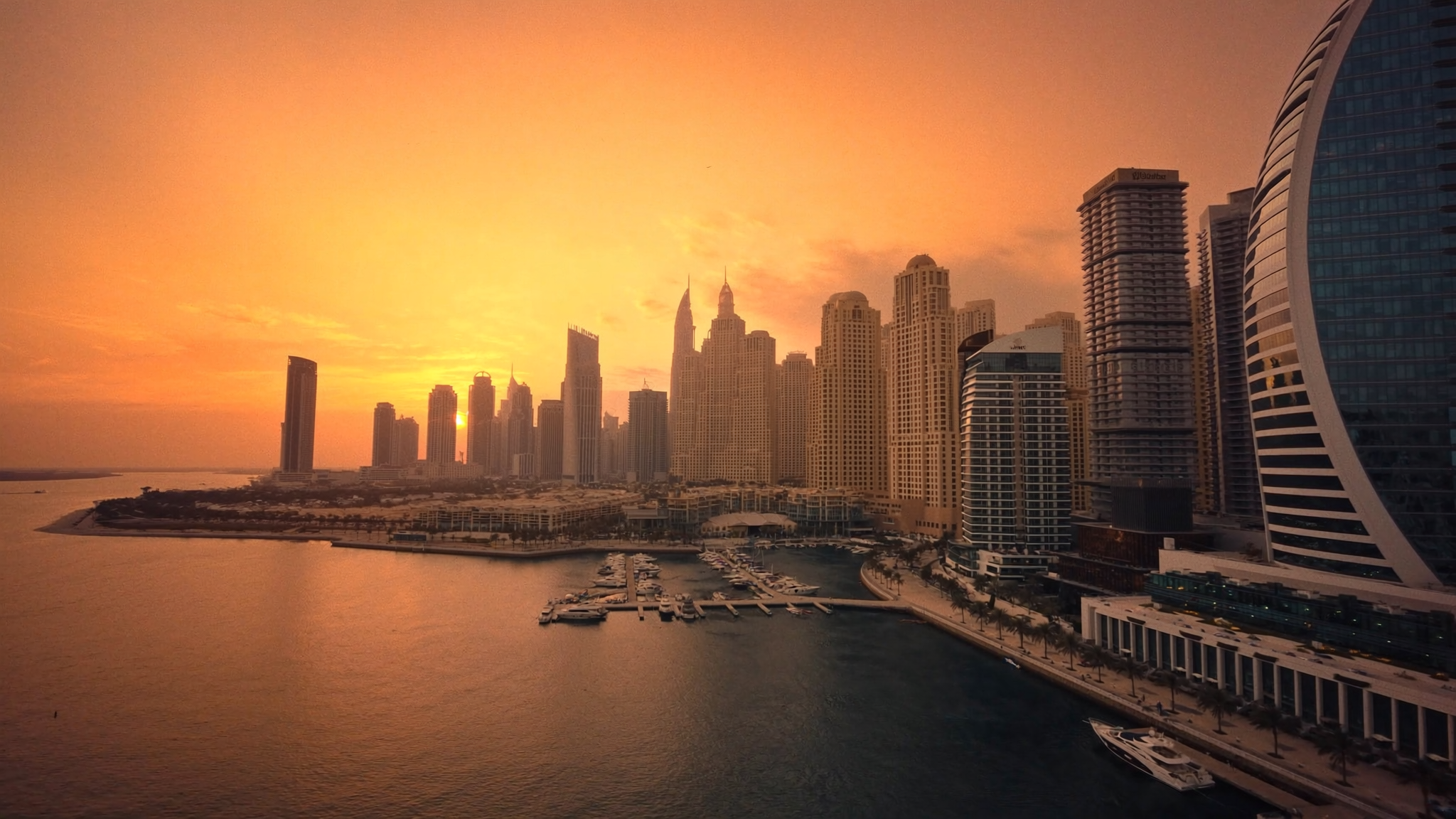
Dubai is the highest-momentum market HPA covers, and also one of the easiest places in the world for a foreign buyer to make a serious mistake. Both things are true simultaneously.
The economic case is genuinely exceptional. Zero income tax, zero capital gains, zero inheritance tax. Net yields of 6–8 percent are net — not pre-tax. The 10-year Golden Visa makes long-term residency straightforward. Post-handover payment plans let you take possession before paying the full price. There's no other major property market in the world offering this combination of features today.
The risk case is that Dubai launches more new developments per quarter than most countries launch in a decade. The developer landscape is enormous, the marketing is loud, and the gap between a tier-one developer that delivers on time and a tier-three operator that collapses mid-project is wider than anywhere else. Vetting is everything in Dubai.
This page walks through what Dubai actually produces — the regions, the visa structure, the tax setup, the small handful of developers we trust — and the one mistake that costs foreign buyers six-figure deposits.
Section 1
The Dubai market snapshot — 2026
Dubai property in 2026 is in a maturation phase rather than the explosive 2020–2024 boom. The headline data: residential prices across Dubai grew 4–8 percent year-on-year in 2025, with villa communities (Dubai Hills, Arabian Ranches, Tilal Al Ghaf) outpacing apartments. Transaction volumes are still high but resale velocity has cooled from the post-Covid frenzy.
Off-plan still dominates new-buyer activity. Major developers launched over 80,000 new residential units across Dubai in 2025 alone — most sold within weeks of launch. The post-handover payment plan structure has matured: 5–7 year payment terms are now standard on most off-plan launches, which is the single biggest reason Dubai remains accessible to international buyers without massive upfront capital.
Three macro factors matter for foreign buyers right now. First, the Golden Visa programme is firmly established and the AED 2M threshold remains competitive globally. Second, the UAE's introduction of the 9 percent corporate tax in 2023 specifically excluded individual property income — the personal tax position remains zero. Third, the developer landscape is consolidating around tier-one operators with proven delivery track records, which is good news for first-time foreign buyers.
Section 2
Six Dubai sub-regions, ranked by current opportunity
Dubai isn't one market — these six sub-regions produce different investment products at different price points with different risk profiles.
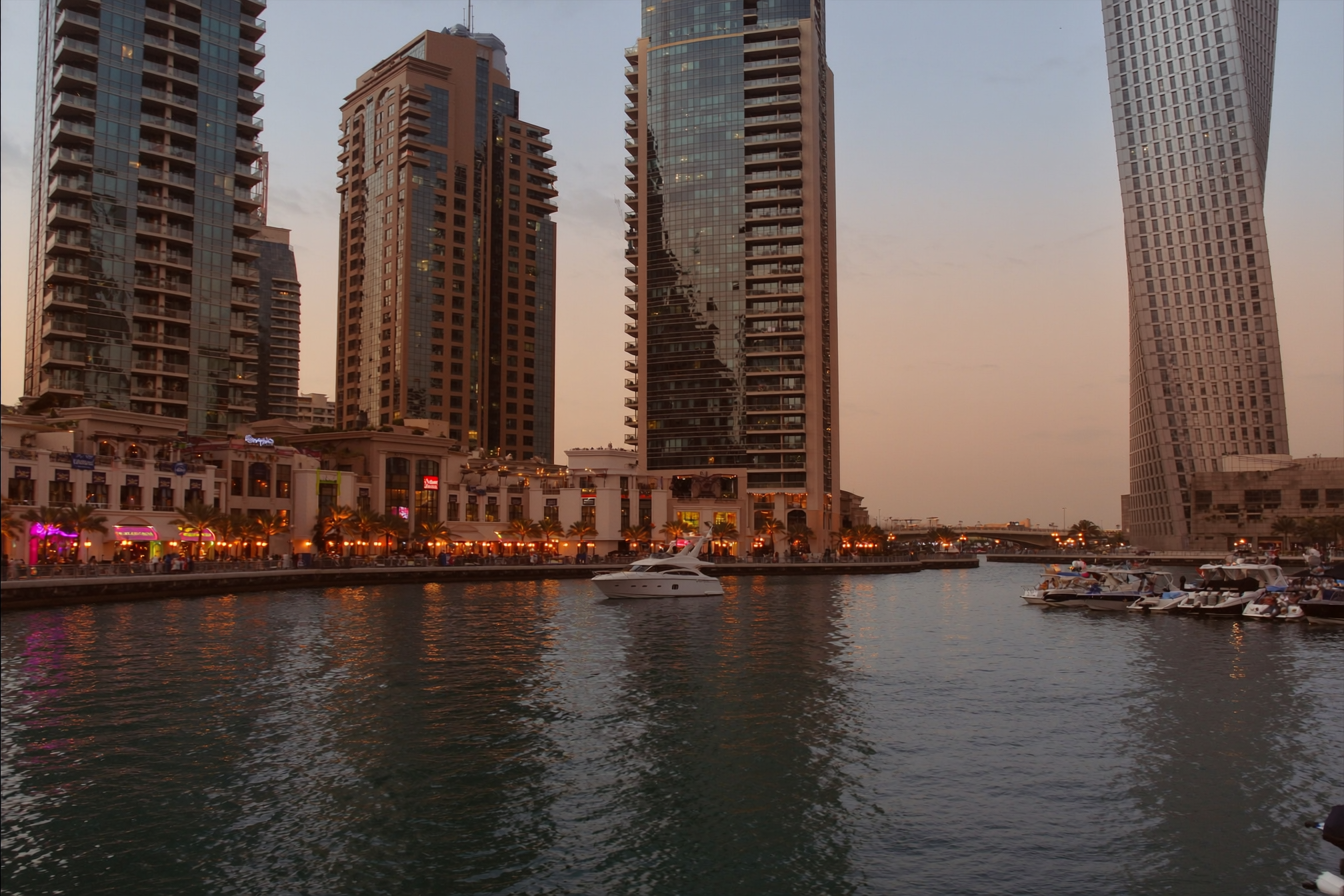
Dubai Marina — established urban waterfront
The most established expatriate residential district in Dubai. Marina-facing apartments command premium rents from professional tenants, and the resale market is the most liquid in the city. Yields have compressed slightly since 2022 as prices have risen but the Marina remains the safest entry point for first-time Dubai buyers.

Downtown Dubai — Burj Khalifa, fountain views
The premium urban play. Apartments with Burj Khalifa or fountain views carry meaningful resale premiums and rent at the top of the Dubai market. Yields are tighter than peripheral areas but capital growth has been strongest here over five years. Best for capital appreciation rather than pure cashflow.
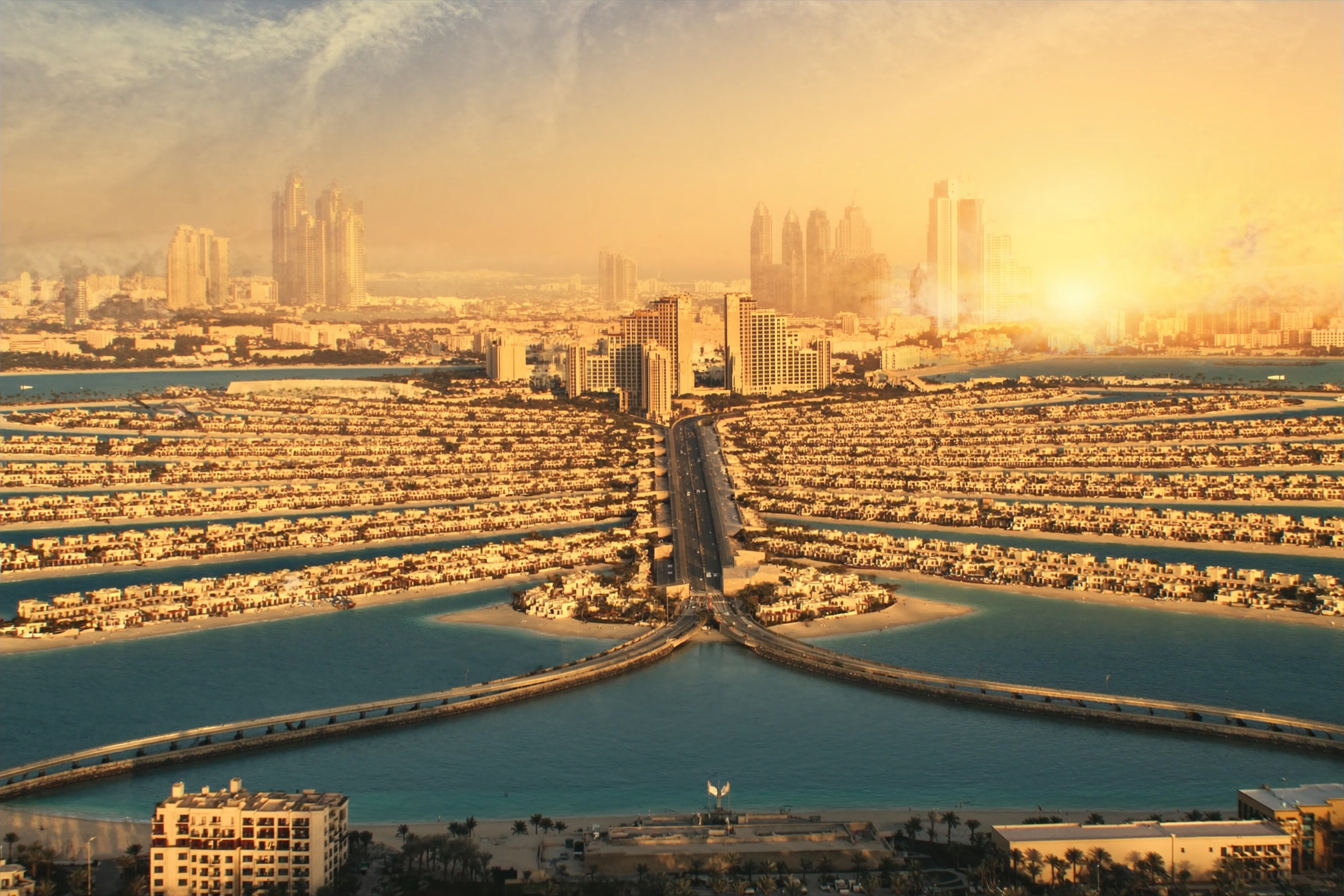
Palm Jumeirah — beachfront, branded
Beachfront villas and branded residences (Atlantis, FIVE, W, One&Only). The trophy-asset play. Yields are modest in pure rental terms but Palm villas have produced exceptional capital growth — entry pricing has roughly doubled since 2020 on prime fronds. Best for high-net-worth buyers wanting beachfront with brand quality assurance.
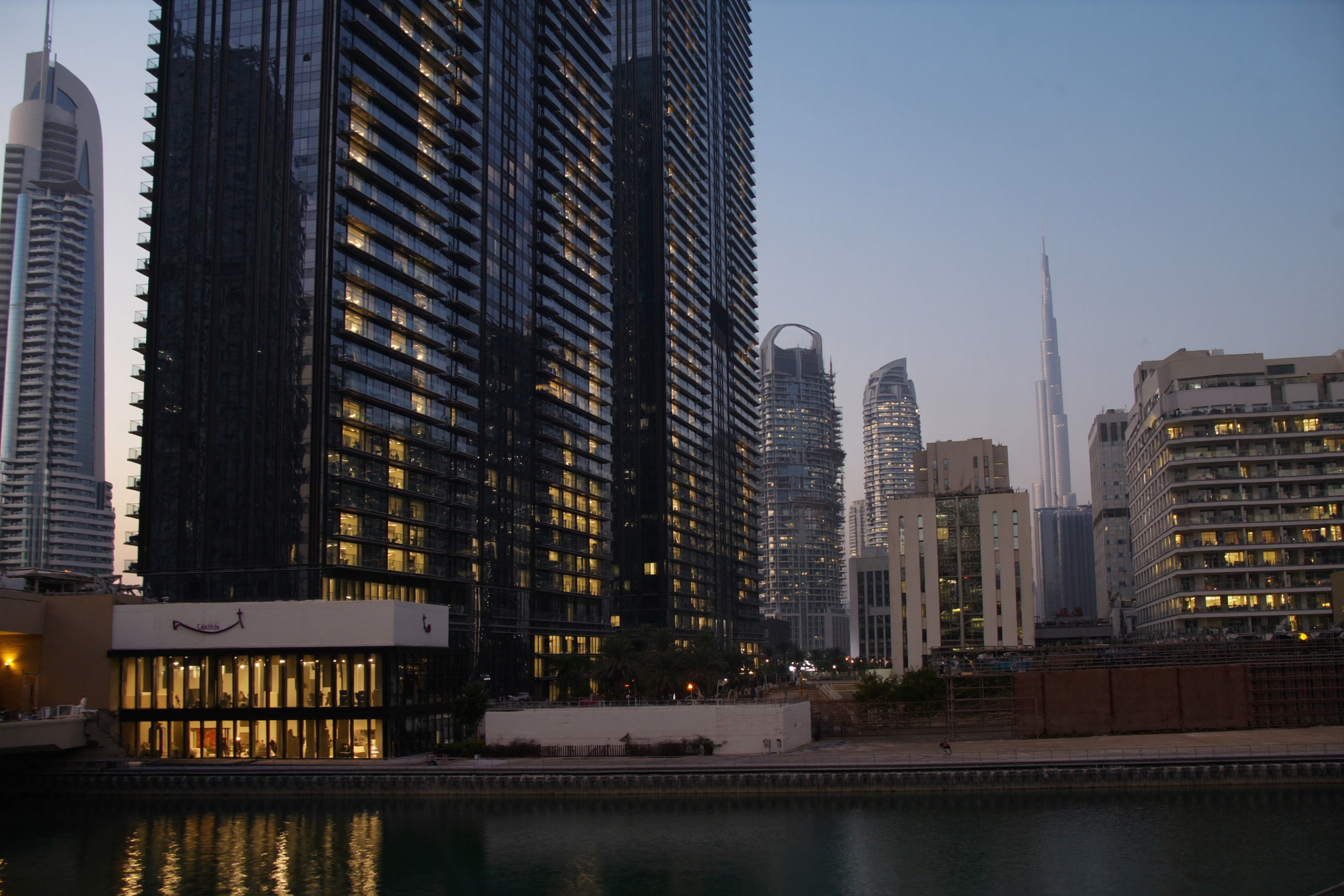
Business Bay — canal-side, emerging
Newer than the Marina, materially cheaper, and increasingly the centre of gravity for younger professional tenants. Strong rental demand from finance and tech workers, canal views available, infrastructure has matured rapidly. Best for cashflow-focused buyers wanting strong gross yields with capital growth optionality.

Dubai Hills & Arabian Ranches — villa communities
The villa-community play. Family-focused gated developments with full amenities (schools, golf, retail). Tenant base is long-term family residents, churn is very low, and villa values have outperformed apartment values significantly over the past three years. Best for capital growth plus eligibility for the 10-year Golden Visa at the right entry price.
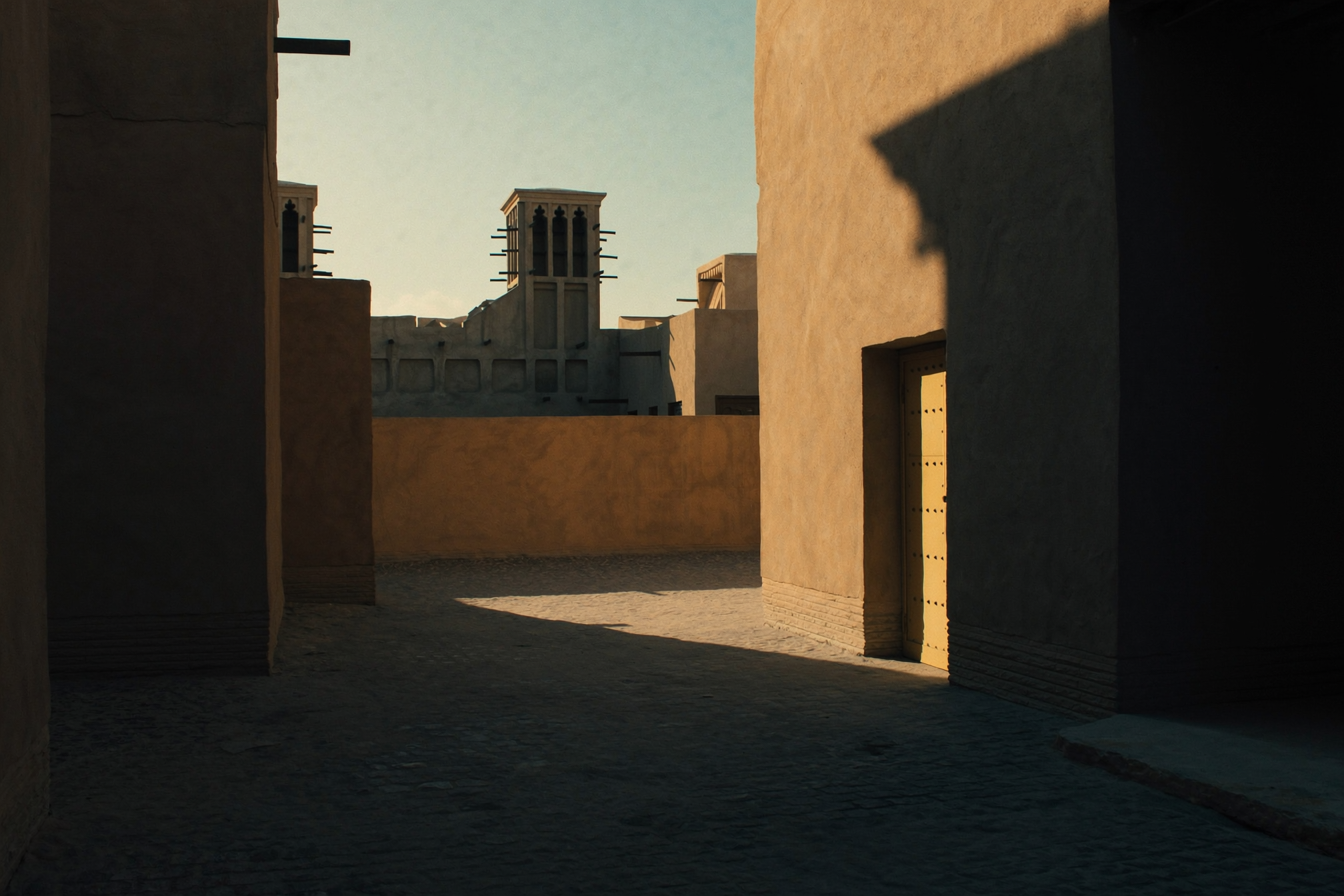
Old Dubai — Al Fahidi, Deira — heritage value
The under-appreciated value corner. Heritage districts of old Dubai with much lower entry prices than the modern waterfront, growing interest from cultural-tourism short-let buyers, and an emerging gentrification wave. Higher gross yields but the resale market is thinner. Best for value-conscious buyers with longer horizons.
Section 3
The Dubai developer mistake — where capital actually evaporates
The biggest mistake foreign buyers make in Dubai isn't picking the wrong sub-region or misunderstanding the tax setup. It's buying off-plan from a developer they haven't actually verified.
Dubai launches more new property developments per quarter than most countries launch in a decade. The Dubai Land Department has registered over 1,200 active developers. The marketing is everywhere — Instagram ads, YouTube influencer partnerships, glossy international roadshows. The promotional yield numbers are spectacular. The down payments are accessible. The post-handover payment plans make the entry trivially easy.
And the gap between a tier-one developer like Emaar or DAMAC and a tier-three operator who collapses mid-project is one of the widest in any property market in the world. RERA (the Dubai real estate regulatory authority) has improved buyer protections substantially since the 2008 crash, but ultimate enforcement still depends on the developer being financially solvent at the moment they're supposed to deliver.
We've seen foreign buyers commit AED 200K–500K of off-plan deposits to developments that never completed. RERA escrow recovery is slow, partial, and not guaranteed. The down-side risk on choosing the wrong developer in Dubai isn't “slightly worse yield” — it's “deposit gone.”
The vetting work matters more in Dubai than anywhere else HPA operates. We restrict the Dubai pipeline to a small group of tier-one developers (Emaar, Nakheel, Meraas, DAMAC's established projects, Sobha, Select Group, and a handful of specific tier-two operators where we've walked completed projects and reviewed financial accounts). That's the actual filter behind every Dubai deal we put in front of members.
Section 4
The Golden Visa — how the 10-year visa actually works
The Dubai (UAE) Golden Visa is one of the simplest residency-by-investment programmes in the world. Property investment of AED 2M (around $545K) qualifies the buyer and immediate family for 10-year renewable residency. The application is fast (typically 30–60 days), the approval rate is high for clean financial backgrounds, and there is no minimum stay requirement — you maintain the visa by visiting the UAE at least once every six months.
The visa grants you and your family residency rights, full access to UAE healthcare and schools, the right to open UAE bank accounts and businesses, and tax residency optionality (you can become a UAE tax resident if you choose, which combined with the zero personal income tax makes the UAE one of the most tax-efficient residency jurisdictions in the world).
The combined economics are the reason Dubai has attracted such intense capital inflows since 2021. Investing AED 2M in qualifying property gets you simultaneously: a 6–8 percent yielding asset, ten years of EU-comparable lifestyle and infrastructure, optional tax residency in a zero-tax jurisdiction, and a visa that's renewable indefinitely. No other major market offers this combination.
Section 5
Dubai developers — three categories worth understanding
The Dubai developer landscape sorts into three categories.
Tier one — government-linked and listed majors. Emaar Properties (developer of Burj Khalifa and Downtown), Nakheel (Palm Jumeirah), Meraas (City Walk, Bluewaters), Aldar (Abu Dhabi-based but operates in Dubai). These are publicly-traded or government-linked entities with multi-decade track records, transparent financials, and effectively unlimited balance sheets. Delivery on time at spec is the default expectation.
Tier two — established private developers. DAMAC Properties, Sobha Realty, Select Group, Omniyat, Ellington Properties, and similar private developers with 15+ years of completed projects. Track records are largely strong but the balance sheets are smaller than tier one and the cyclical exposure is higher. Members occasionally see tier-two opportunities when the specific project economics and developer-specific track record both check out.
Tier three — opportunistic and unproven operators. The hundreds of newer or smaller developers who've emerged in the post-2020 boom. Many are perfectly competent. Some are pure capital-raisers with no construction expertise. Without independent diligence on the specific principals, completed track record, and financial backing, this tier is where deposit losses happen.
Inside HPA we restrict Dubai pipeline to tier-one developers and the small handful of tier-two firms where we've personally walked completed projects, met the leadership, and verified financial backing. That's the actual filter behind every Dubai deal in the membership.
Why this guide exists
Who is writing this, and why does it matter

Chris White built Ideal Homes Portugal from a single Algarve office in 2012 into a forty-person property business with a sister company selling across more than twenty countries. Dubai has been part of that network for over five years.
Multiple European Property Awards. The Apple Tree Lane development with Duncan Bannatyne of Dragons' Den. Channel 4's “Sun, Sea and Selling Houses.” Speaking on stage with Tony Robbins, Arnold Schwarzenegger, and Samuel Leeds.

Why this matters more in Dubai than anywhere
Dubai is the market where developer vetting matters most. Multi-award-winning real estate operators don't happen by accident — they happen because the underlying business has spent a decade building relationships with the developers who actually deliver, learning which paperwork red flags signal trouble, and refining the diligence framework that separates a great Dubai deal from a deposit disaster.
That fifteen years of diligence is what HPA brings to every Dubai deal we put in front of members.

The rooms he's in
Chris has shared stages with Tony Robbins, worked alongside Duncan Bannatyne for over a decade, and met with everyone from Arnold Schwarzenegger to Samuel Leeds across the international property and business circuit.
The point isn't the names — it's the access. Tier-one Dubai developers don't accept cold approaches from foreign buyers. They take introductions. The HPA membership is your introduction.

Beyond the numbers
Three Africa missions including Operation Smile alongside Duncan Bannatyne. A 2023 Uganda mission with Samuel Leeds. Ongoing work with healthcare and education charities.
Not directly relevant to a Dubai property decision. But it tells you what kind of business operator he's built. The people you let into your financial life should be the people who care about what happens to other people's money.
Why Hot Property Alerts exists
The tier-one Dubai developers, bottled into a membership
After five years running deals in Dubai, the same pattern kept repeating. International buyers — Brits, Indians, Russians, increasingly Americans — would arrive in Dubai with capital ready, would have spent weeks researching online, and would proceed to make one of two predictable mistakes.
Either they'd sign for an off-plan unit with a tier-three developer promising 10 percent rental yields and 12-month delivery — and lose six-figure deposits when the project collapsed. Or they'd buy from a tier-one developer but in the wrong sub-region for their actual goal — paying Marina prices for Marina apartments when their cashflow strategy would have been better served by Business Bay or JVC.
Hot Property Alerts is the thing Chris wished those buyers had access to before they made their decisions. The tier-one Dubai developer relationships — Emaar, Nakheel, Meraas, Sobha, Select Group. The UAE-experienced lawyers and tax advisors. The Golden Visa specialists. The currency partners. The weekly workshops where you can ask Dubai-specific questions directly. The SMS line where you can text the team and get a real human answer the same day.
£99 a month gets you the intel layer — country reports, weekly workshops, deal previews, SMS access, the partner directory. That's the version most members start with.
If Dubai is genuinely your next move — and given the tax structure, the Golden Visa and the post-handover payment plans, it should at least be on the shortlist — Insider is the cheapest piece of professional intel on the most opaque major property market in the world.
The next step
What HPA Insider gives you for Dubai
Membership is £99 a month. Cancel any time. No questions asked.
- ✓Monthly Dubai market report — Marina, Downtown, Palm, Business Bay and villa communities side by side, with current yields and developer-specific deal flow
- ✓Weekly live workshop with Chris — deal walkthroughs, open Q&A, current Dubai market read
- ✓Pre-vetted deal pipeline — only from tier-one Dubai developers and trusted tier-two operators
- ✓Trusted partner directory — UAE-experienced lawyers, Golden Visa specialists, mortgage brokers and currency partners we use ourselves
- ✓Direct SMS line to the HPA team — text us your Dubai question, real human answer the same day
- ✓First look at every new briefing, index and country report before they go public
Cancel any time. No questions asked.
Common questions
Dubai property FAQ
Can foreigners actually own property freehold in Dubai?
Yes — in designated freehold zones, which cover most of the modern Dubai property market including Dubai Marina, Downtown, Palm Jumeirah, Business Bay, Dubai Hills, and the major villa communities. Foreigners can own apartments and villas outright with full ownership rights, no nominee structures needed, registered at the Dubai Land Department. The non-freehold zones (parts of old Dubai) are available to foreigners on long leasehold but most foreign-buyer activity is in freehold areas.
What's the Dubai Golden Visa and how does property qualify?
A 10-year residency visa for property investors meeting specific thresholds. The standard route requires AED 2 million (around $545K) of property investment, which qualifies the buyer and immediate family for 10-year renewable residency. There's no minimum stay requirement, no requirement to live in Dubai, and the visa is fully renewable indefinitely. The application is fast (typically 30–60 days) and the approval rate is high for clean financial backgrounds.
What about income tax, capital gains and inheritance tax?
Zero, zero, and zero. The UAE has no personal income tax, no capital gains tax on property, no inheritance tax. The recently-introduced 9 percent corporate tax applies to businesses with profits above AED 375K, not to individual property owners on rental income. This is the single biggest economic difference between Dubai and other markets we cover — net yields in Dubai are gross yields, with no tax friction.
How do post-handover payment plans actually work?
Dubai is one of the few global markets where you can buy an off-plan property today with payment terms extending years past completion. Typical structure: 10–20 percent on signing, balance paid in instalments over 3–7 years post-handover. You take possession of the property and start receiving rental income before you've paid the full price. The economics can be exceptional — if rental income covers payment plan instalments, you're effectively buying with no out-of-pocket beyond the down payment. The risk: this only makes economic sense if the developer actually delivers the project, on time, to spec. Vetting matters more here than anywhere else.
Can I get a mortgage in Dubai as a foreign buyer?
Yes, surprisingly straightforward. UAE banks lend to non-residents at typically 50–75 percent loan-to-value, with rates competitive with broader regional markets. The Mashreq, Emirates NBD and several international banks (HSBC, Citi, Standard Chartered) all run active foreign-buyer mortgage books. We have two preferred Dubai mortgage brokers in the HPA partner network.
What's the realistic rental income?
Highly product-specific. A 1-bedroom Marina apartment generates AED 80K–130K annually ($22K–$35K). A 2-bedroom Downtown apartment runs AED 150K–250K ($41K–$68K). A Palm Jumeirah villa can produce AED 500K–1.5M+ ($136K–$408K). Short-term rental yields are generally 30–60 percent higher than long-term where properly licensed, but require active management. Most foreign buyers default to long-term rental for simplicity.
What are the closing costs?
Lower than European markets. Total all-in costs: 4 percent Dubai Land Department transfer fee, plus typically 2 percent real estate agent fees, plus AED 4,200 in registration fees, plus AED 580 in admin fees. Total on a AED 2M property: roughly AED 130K (around $35K), or 6.5 percent of purchase price. No VAT on residential resales; new builds are zero-rated for VAT for the first sale only.
Is Dubai property still going up or is the boom over?
Both. The 2020–2024 price surge has moderated — Marina and Downtown have stabilised, while villa communities and emerging districts (Business Bay, Dubai Hills, JVC) continue growing at 8–15 percent annually. The market is becoming more selective rather than uniformly hot. Off-plan launches in prime districts still sell out in days but resale velocity has cooled. For 2026 buyers, the play is selective sub-region exposure rather than buying any-Dubai-anything.
Haven't taken our quiz yet?
Find your best-fit market in sixty seconds
Dubai might be the right answer. It might not. Our quiz takes your capital, timeline and goals, and matches you to the country most likely to deliver — then sends a personalised briefing to your inbox.
Take The 60-Second Quiz