
Cyprus — Investor Guide 2026
Buying property in Cyprus — the honest guide
EU permanent residency, the non-dom tax regime, Limassol versus Paphos, and why most buyers miss the real value Cyprus offers.
A note from Chris
Cyprus is the market most foreign buyers misunderstand. They look at it as a property play — “a cheaper alternative to Spain or Portugal” — and miss what makes it genuinely useful. The actual value of Cyprus, for most international buyers we work with, isn't the apartment. It's the residency and the tax setup the apartment unlocks.
HPA has been transacting in Cyprus for over six years. The buyers who win in Cyprus are typically the ones who go in understanding that they're buying a tax-and-residency vehicle that happens to be a property, rather than the other way around. The buyers who lose are usually the ones who treat it as a pure yield play and discover Cyprus apartments don't produce particularly exceptional rental returns.
This page walks through Cyprus the way we'd explain it to a friend with €300K to deploy — the regions, the tax structure, the residency programme, and the small group of developers worth trusting.
Section 1
The Cyprus market snapshot — 2026
Cyprus property in 2026 is in a structurally favourable position. EU membership, English widely spoken, well-developed financial services sector, and three regulatory advantages that genuinely separate it from peer markets: the non-dom tax regime, the Permanent Residency by Investment programme, and the lowest property transfer fees in the EU.
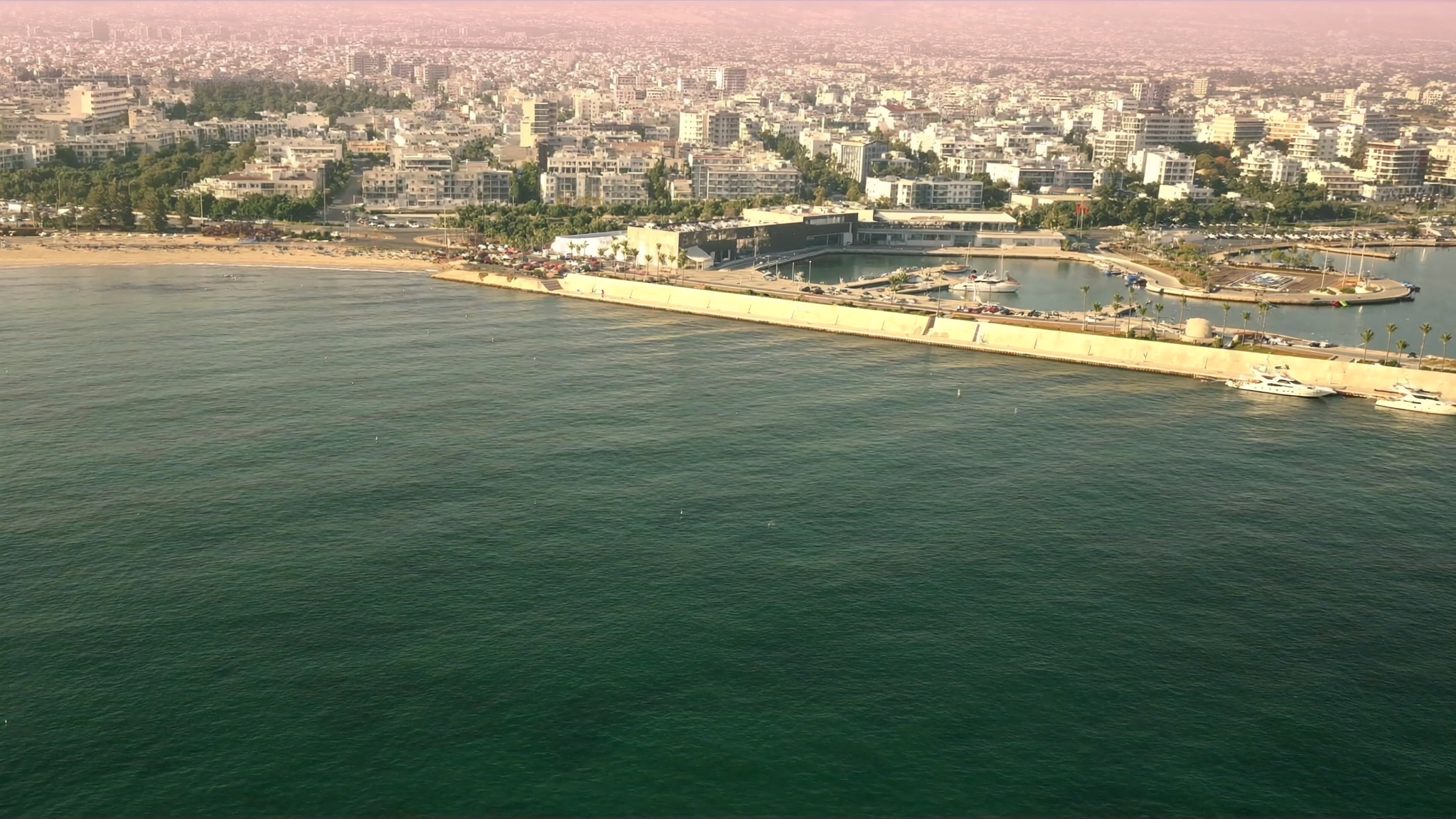
Limassol has been the institutional story of the past decade. Russian capital flight after 2014 followed by Israeli, Lebanese and Ukrainian wealth flight since 2022 has anchored a sustained premium in the city's property market. Paphos has been quieter but more stable — the British retirement wave plus emerging digital nomad demand keeps the rental market healthy.
Three macro factors matter for foreign buyers right now. First, the recent VAT and transfer-fee reforms have reduced closing costs to 3–8 percent — among the lowest in the EU. Second, the Permanent Residency programme has remained politically stable through a decade of European policy churn around investor visas. Third, Cyprus has positioned itself as the dominant tech and fintech hub in the Eastern Mediterranean, which is driving structural rental demand from professional tenants.
Section 2
Six Cyprus sub-regions, ranked by current opportunity
Cyprus is small enough that all of these are within a 90-minute drive of each other — but the sub-region you choose materially affects what your investment actually is.
Limassol — modern marina, financial hub
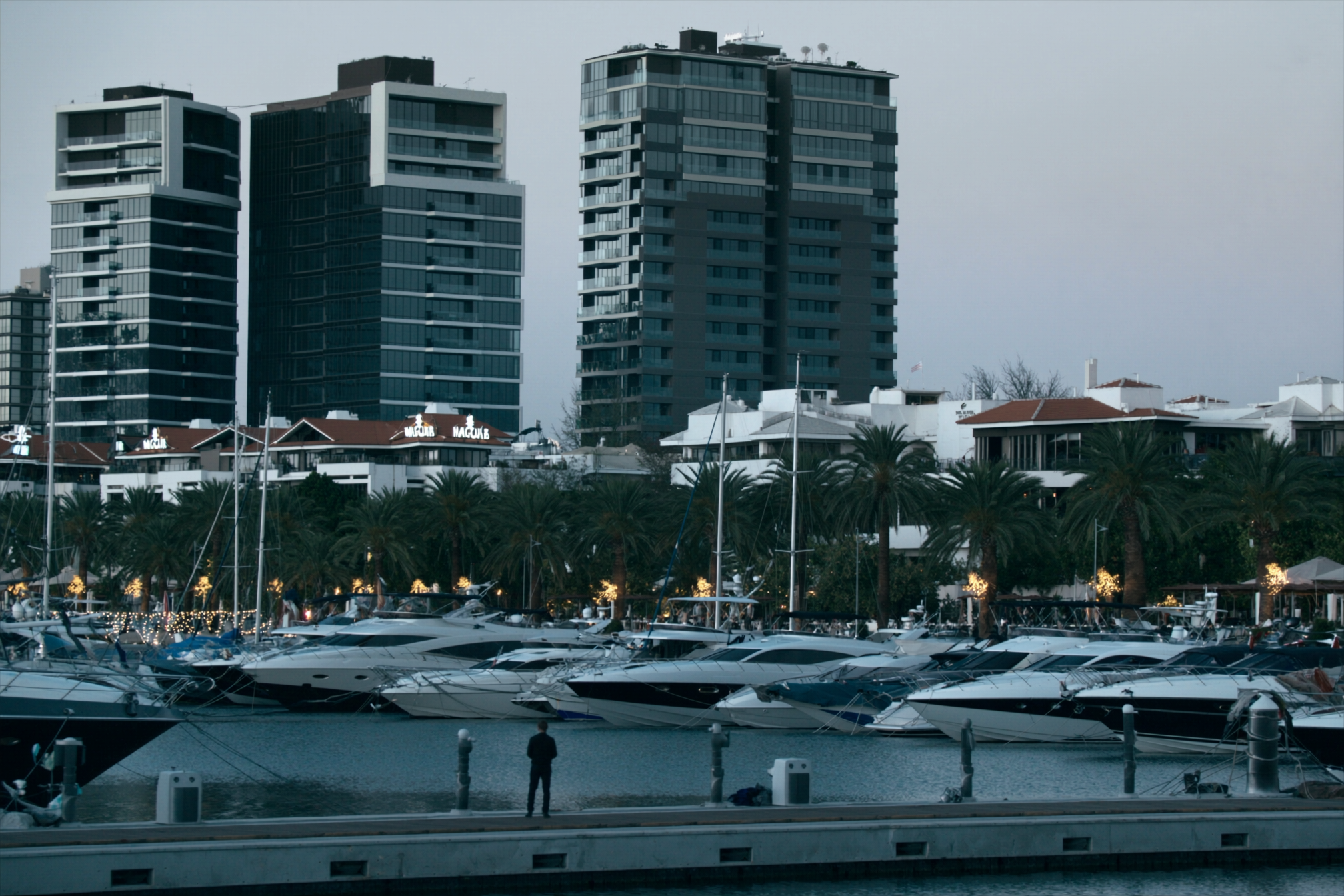
The most established foreign-buyer market in Cyprus. Modern marina, financial services hub, the largest concentration of international companies on the island. Apartment yields are modest but Limassol has produced consistent capital growth over the past decade and is the easiest market to resell into. Best for buyers wanting urban infrastructure with sea.

Paphos — UNESCO coastline, retirement
Cheaper entry than Limassol, UNESCO archaeological setting, the established retirement and lifestyle market for British and Northern European buyers. Strong long-term rental demand, less foreign-buyer competition on resale, and the most pleasant climate on the island for ten months a year. Best for lifestyle buyers and retirees.

Larnaca — emerging value play
The under-priced corner of Cyprus right now. Larnaca has been transformed by the airport regeneration and the new marina development. Property prices have lagged Limassol significantly — meaning entry prices still allow for both yield and meaningful capital growth. Best for value-conscious buyers willing to be slightly early.

Cape Greco & Protaras — coastline luxury
The eastern Cyprus coast with the most dramatic Mediterranean coastline on the island. Cape Greco national park, sea caves, the cleanest swimming water in the Mediterranean. Strong tourist short-let demand in summer, slower in winter. Best for buyers who can tolerate seasonality in exchange for stronger gross yields.
Troodos villages — mountain lifestyle
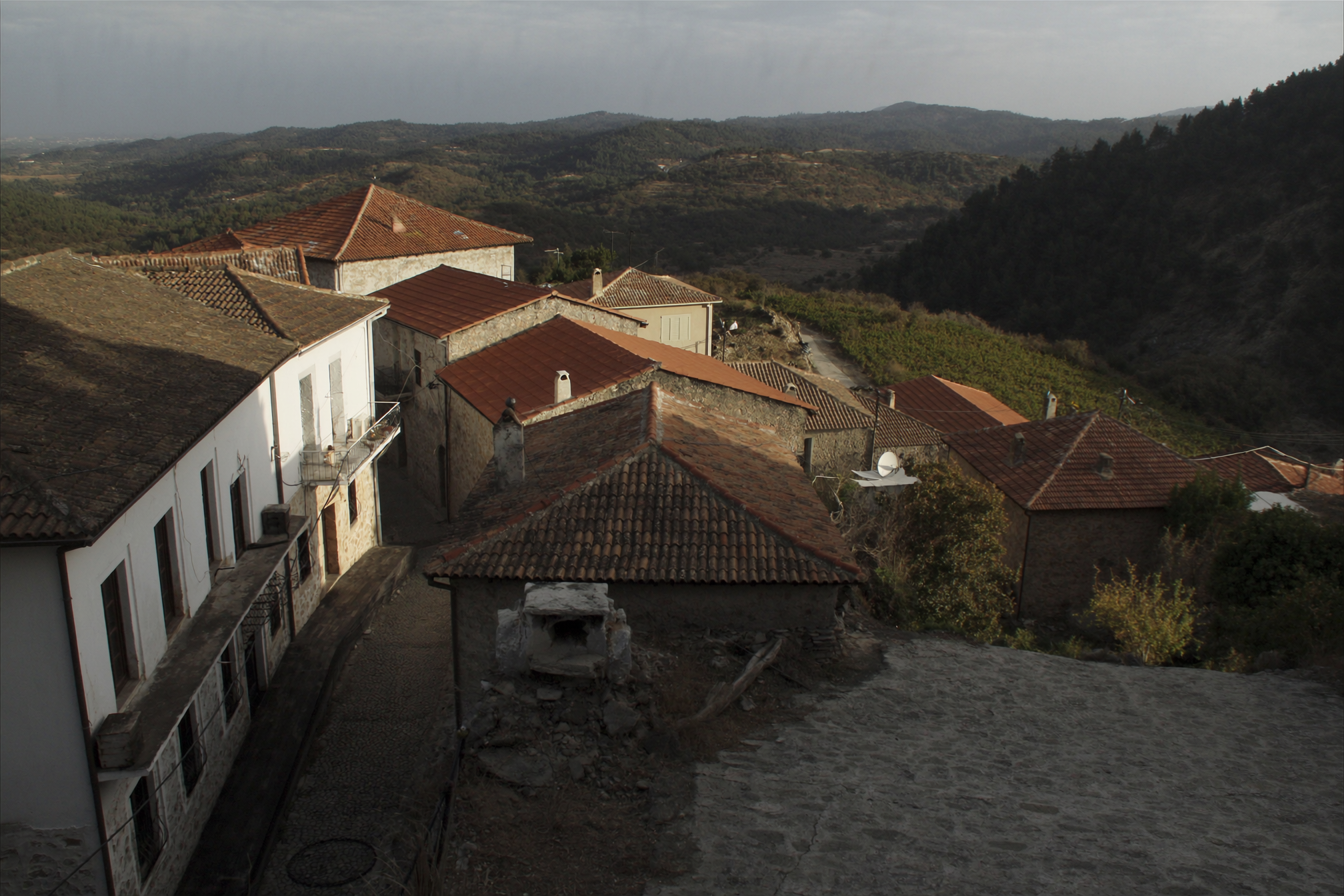
The lifestyle and capital-preservation play. Stone-built traditional villages in the Troodos mountains, dramatically cheaper than the coast, increasingly popular with remote workers and second-home buyers wanting cooler summers. Lower yields but minimal volatility — these are properties bought to hold, not flip.
Nicosia — capital, urban
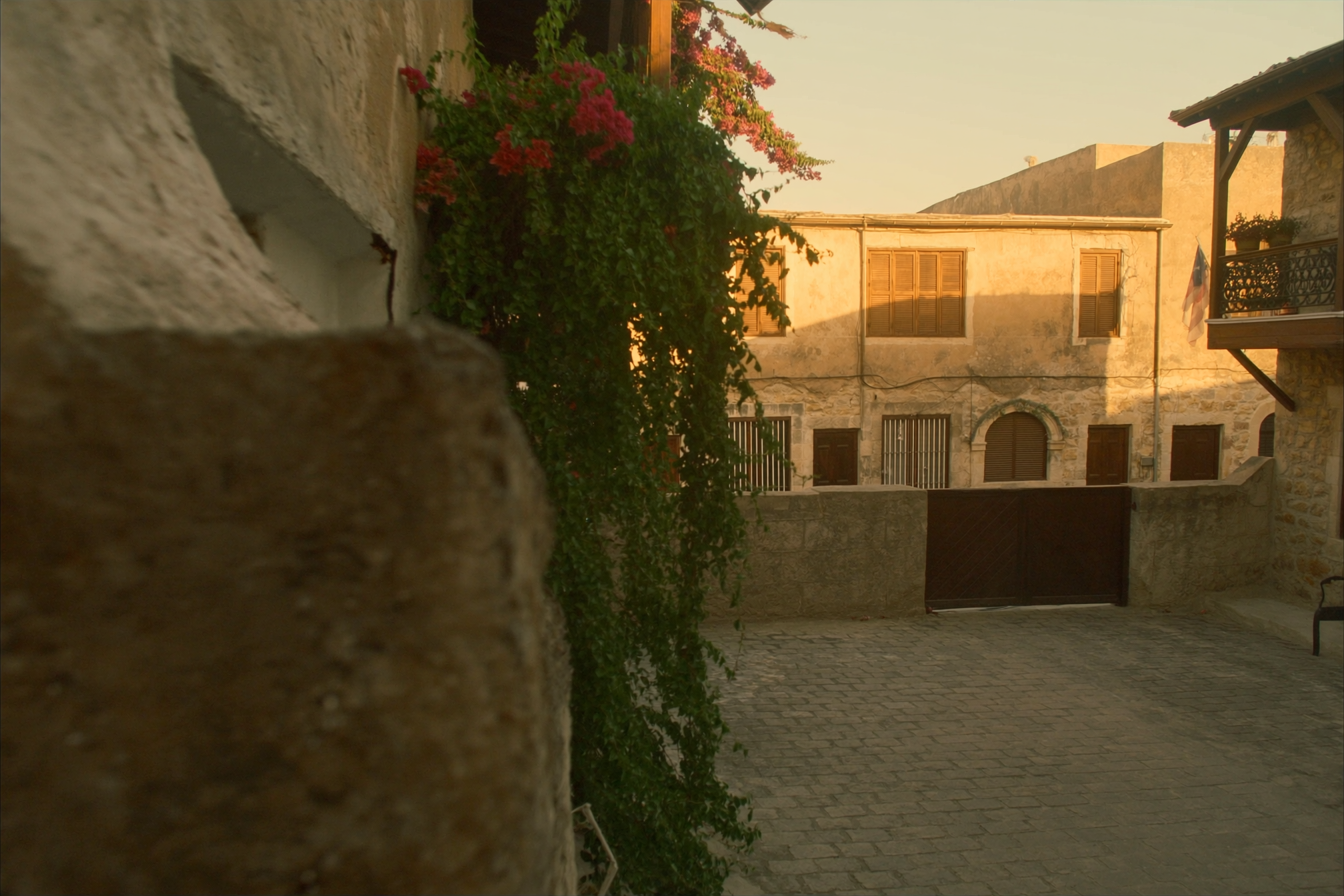
The administrative and educational capital. Less foreign-buyer interest than Limassol but stronger fundamental rental demand — government workers, university students, embassy staff. Best for buyers prioritising stable rental yield over coastal lifestyle. Not a holiday market.
Section 3
The Cyprus mistake — missing the tax structure
Most foreign buyers approach Cyprus the same way they'd approach Portugal or Spain — they pick a region, they pick a property, they buy it. Then they pay tax on rental income as a non-resident, and they wonder why the net yields aren't exceptional.
That's the mistake. Cyprus apartments don't produce exceptional rental yields. Spain, Portugal and Bali all beat Cyprus on pure rental return. What Cyprus produces — uniquely among the markets HPA covers — is one of the most favourable EU tax structures available to a foreign individual.
If you buy Cyprus property without simultaneously becoming a Cyprus non-dom tax resident, you're leaving most of the value on the table. A Cyprus non-dom resident pays zero tax on overseas dividends, zero tax on overseas interest income, zero inheritance tax, and reduced rates on Cyprus rental income. For UK or US-based buyers with portfolio income, dividends, or international business interests, this single status can save five or six figures annually.
The right move on Cyprus is almost always to structure the property purchase and the tax residency move together. Buy through the right entity, become a Cyprus tax resident at the right time of year, register for non-dom status correctly, and the apartment becomes the vehicle for materially better global tax positioning.
This requires a competent Cyprus tax advisor — not just a property lawyer. Inside HPA we connect members directly to the Cyprus advisor we use for our own structures.
Section 4
The €300K residency play — how the PRI actually works
The Cyprus Permanent Residency by Investment programme is one of the simpler and faster routes to EU residency available today. Property investment of €300K+ qualifies the buyer and immediate family. Application process is 2–4 months end-to-end. Approval rate is high for clean files. There is no minimum stay requirement to maintain residency — just one visit every two years.
What the residency does and doesn't do: it grants you and your family the right to live in Cyprus indefinitely, with full Schengen-area visit rights (up to 90 days in any 180), full access to Cyprus healthcare and schools if you choose to use them, and a pathway to citizenship after 7 years. It does not, by itself, grant you EU citizenship or the right to live in other EU countries — that requires the longer naturalisation path.
For most buyers we work with, the practical value of the Cyprus PRI is the optionality — having EU residency locked in as a fallback, paired with the non-dom tax regime if and when they choose to actually relocate. The combination is genuinely useful for internationally-mobile families and business owners.
Section 5
Cyprus developers — three categories
Cyprus is a small property market — perhaps thirty serious developers operate at scale across the entire republic. They sort into three categories.
Tier one — long-track-record family operators. Cypriot family-owned development companies with 20+ years of completed projects, often vertically integrated (own land, own construction, own sales). Conservative balance sheets, completed pipelines visible, strong reputational stakes. They typically don't offer huge discounts but their delivery is reliable. Maybe a dozen of these exist on the whole island.
Tier two — institutional and international entrants. Greek, Israeli and increasingly Chinese developers who've entered the Cyprus market over the past 10–15 years. Some have excellent track records elsewhere and translated that to Cyprus successfully. Some haven't.
Tier three — opportunistic operators. Smaller developers, often newer, often heavily marketing to foreign buyers through agent networks. Some are perfectly legitimate. Some are not. The Cyprus market has seen its share of unfinished projects, particularly post-2013 banking crisis.
Inside HPA we work primarily with tier-one Cypriot family operators and a handful of tier-two international firms where we've walked the completed projects and reviewed financials. That's the actual filter behind every Cyprus deal in the membership.
Why this guide exists
Who is writing this, and why does it matter

Chris White built Ideal Homes Portugal from a single Algarve office in 2012 into a forty-person property business with a sister company selling across more than twenty countries. Cyprus has been part of that network for over six years.
Multiple European Property Awards. The Apple Tree Lane development with Duncan Bannatyne of Dragons' Den. Channel 4's “Sun, Sea and Selling Houses.” Speaking on stage with Tony Robbins, Arnold Schwarzenegger, and Samuel Leeds.

The standard the business operates to
The European Property Awards are judged by a seventy-person independent panel that verifies operations and audits client outcomes. Winning them repeatedly is how you signal the business behind the marketing is real.
That same standard is what HPA brings to Cyprus. The tier-one family developers, the institutional operators we trust — all run through the diligence framework Ideal Homes uses for its own partnerships.

The rooms he's in
Chris has shared stages with Tony Robbins, worked alongside Duncan Bannatyne for over a decade, and met with everyone from Arnold Schwarzenegger to Samuel Leeds across the international property and business circuit.
The point isn't the names. The point is the access. The Cyprus PRI specialists and tax advisors we use don't take cold approaches from foreign buyers. They take introductions. The HPA membership is your introduction.

Beyond the numbers
Three Africa missions including Operation Smile alongside Duncan Bannatyne. A 2023 Uganda mission with Samuel Leeds. Ongoing work with healthcare and education charities.
Not directly relevant to a Cyprus property decision. But it tells you what kind of business operator he's built — and the people you let into your financial life should be the people who care about what happens to other people's money.
Why Hot Property Alerts exists
The Cyprus tax-and-residency play, bottled into a membership
After six years transacting in Cyprus, the same pattern kept repeating. International buyers — Brits, Israelis, Russians, Ukrainians, increasingly Americans — would arrive looking for an apartment in Limassol or Paphos, would do their property due diligence properly, and would completely miss the tax structure underneath.
They'd buy as non-residents. They'd pay overseas-dividend tax in their home country. They'd miss the non-dom registration entirely. Two years in, when their accountant finally explained what they should have done at the point of purchase, the structure had become much harder to optimise retroactively.
Hot Property Alerts is the thing Chris wished those buyers had access to before they made their decisions. The tier-one Cypriot developers. The PRI specialists who run the residency applications in 60 days. The Cyprus non-dom tax advisors who structure the move properly the first time. The weekly workshops where you can ask Cyprus-specific questions directly.
£99 a month gets you the intel layer — country reports, weekly workshops, deal previews, SMS access, the partner directory. That's the version most members start with.
If Cyprus is genuinely your next move — and if the tax-and-residency structure matters to your situation, which it does for most internationally-mobile buyers — Insider is the cheapest piece of professional intel you'll find.
The next step
What HPA Insider gives you for Cyprus
Membership is £99 a month. Cancel any time. No questions asked.
- ✓Monthly Cyprus market report — Limassol, Paphos, Larnaca side by side, with current yields, residency programme updates and what we are watching
- ✓Weekly live workshop with Chris — deal walkthroughs, open Q&A, current Cyprus market read
- ✓Pre-vetted deal pipeline — only from tier-one Cypriot developers and trusted international operators
- ✓Trusted partner directory — Cyprus non-dom tax advisors, PRI specialists, mortgage brokers and currency partners we use ourselves
- ✓Direct SMS line to the HPA team — text us your Cyprus question, real human answer the same day
- ✓First look at every new briefing, index and country report before they go public
Cancel any time. No questions asked.
Common questions
Cyprus property FAQ
What is the Cyprus Permanent Residency by Investment programme?
Foreign buyers investing €300K+ in Cypriot property qualify for permanent residency under the Category 6.2 PRI route. The application is fast (typically 2–4 months), grants residency for the buyer and immediate family, requires only one visit to Cyprus every two years to maintain, and does not require you to actually live in Cyprus. After 7 years of residency you can apply for citizenship through naturalisation. This is genuinely one of the cleanest residency routes in the EU.
What is the non-dom tax regime and who qualifies?
Cyprus is one of the most tax-favourable jurisdictions in the EU for non-domiciled residents. As a non-dom resident of Cyprus, you pay zero tax on dividends from overseas companies, zero tax on interest income, zero inheritance tax, zero capital gains tax on the sale of overseas assets (with limited exceptions), and reduced rates on Cyprus-source rental income. You qualify by becoming a Cyprus tax resident (60 or 183 day rules apply) and registering for non-dom status. Most sophisticated buyers structure the property purchase alongside the tax residency move to capture both benefits simultaneously.
How much do closing costs add to a Cyprus property purchase?
Materially lower than Spain or Portugal. Property transfer fees were reduced significantly in 2014 and again in 2024 — for new builds with VAT already paid, transfer fees are now waived entirely. On resales, transfer fees range from 1.5–4 percent depending on price. VAT applies on new builds at 19 percent standard, but the reduced 5 percent rate applies on primary residences for the first €350K. Total all-in cost on a typical purchase: 3–8 percent on top, depending on new vs resale and primary vs secondary residence status.
Can I get a mortgage as a foreign buyer in Cyprus?
Yes. Cypriot banks lend to foreign buyers at typically 60–80 percent loan-to-value for primary residences, 50–60 percent for investment properties. Rates are competitive with broader European market rates. The Cyprus banking sector recovered strongly from the 2013 crisis and is now well-capitalised — Bank of Cyprus and Hellenic Bank are both EU-supervised institutions. We have two preferred Cypriot mortgage brokers in the HPA partner network.
What's the difference between EU passport and Cyprus PRI?
Cyprus stopped its citizenship-by-investment programme in 2020 after EU pressure. The current Cyprus PRI grants permanent residency, NOT citizenship — though after 7 years of residency you can apply for citizenship through naturalisation. So the modern Cyprus play is: PRI now (fast, €300K), citizenship in 7+ years through the standard naturalisation route. For most buyers, PRI alone gives 95 percent of what they actually need — EU residency, freedom of travel within Schengen on visits, the non-dom tax setup.
What's the realistic short-term rental income?
Highly seasonal. A 2-bedroom apartment in central Limassol with proper short-let licence runs €15K–€28K gross per year, weighted heavily to summer months. Paphos and the coastal markets are similar. Long-term rental at typical 5–7 percent yields is more stable and that's what most non-resident buyers actually opt for. We confirm licensing on every deal before passing it to a member — Cyprus has tightened short-let regulation over the past three years.
Is the property market affected by the Cyprus problem (the North)?
Practically, no. The Republic of Cyprus (the EU member, the south) operates as a fully normal EU property market. The Turkish-occupied north has separate rules and is not part of the HPA pipeline — we don't transact there. All HPA Cyprus deals are in the Republic of Cyprus with full EU legal protection. The 'Cyprus problem' makes for good news headlines but doesn't affect actual buying in the south at all.
Limassol vs Paphos — which is better?
Limassol if you want the urban marina lifestyle, sophisticated dining, international school network, and the highest concentration of foreign professionals. Paphos if you want the retirement / lifestyle play, the UNESCO setting, materially lower entry prices, and the British expat community. Most HPA members who buy multiple Cyprus properties end up with both — Limassol for resale liquidity and rental, Paphos for actual personal use.
Haven't taken our quiz yet?
Find your best-fit market in sixty seconds
Cyprus might be the right answer. It might not. Our quiz takes your capital, timeline and goals, and matches you to the country most likely to deliver — then sends a personalised briefing to your inbox.
Take The 60-Second Quiz